Bathtub RC Boat Safety: Best Practices for Parents of 6–8 Year Olds
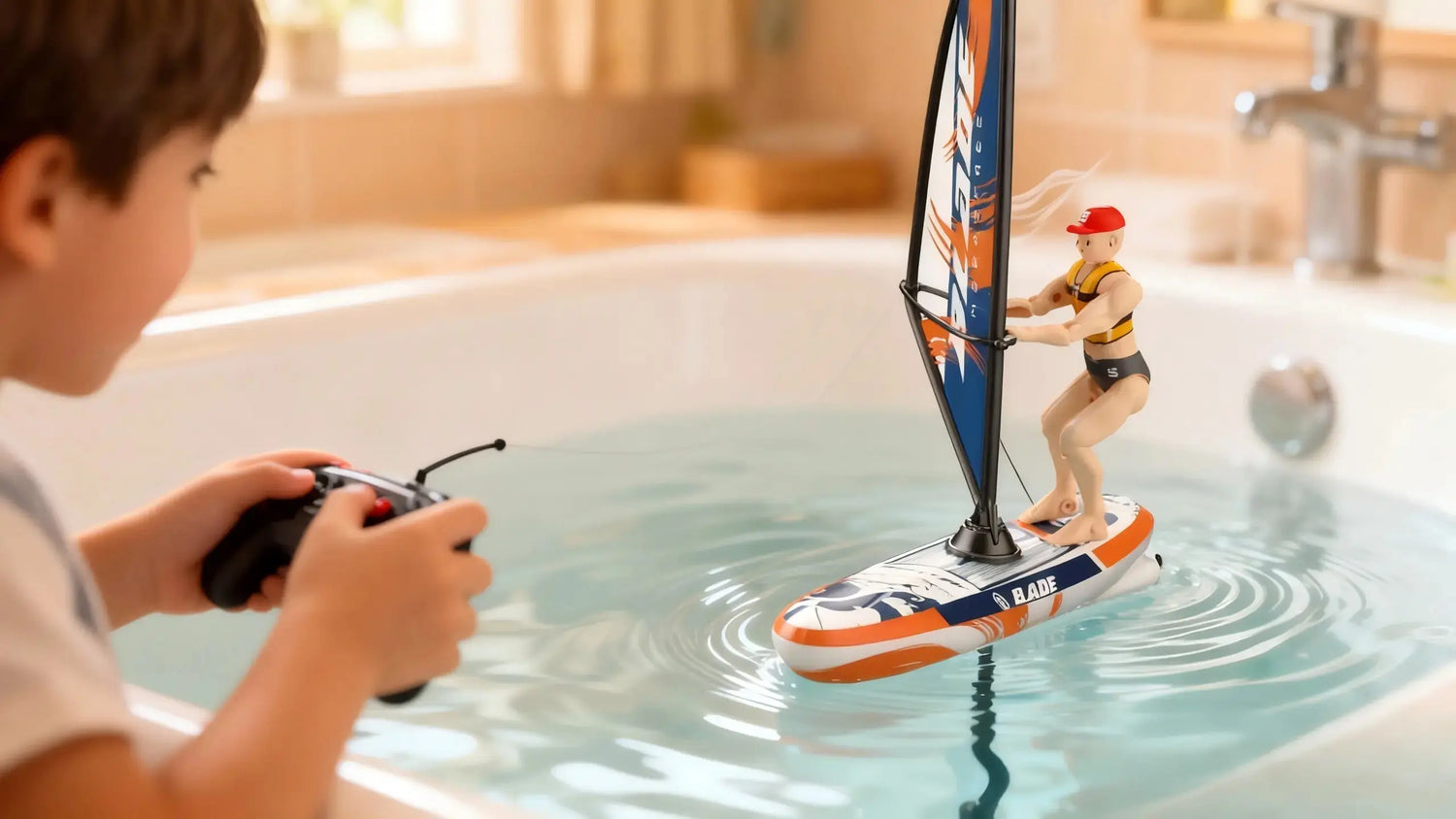
Bathtub RC boat play can turn routine bath time into a joyful mini‑adventure. The key is building safety into every step—from picking a properly certified toy to supervising, cleaning, and storing it well. This guide gives parents of 6–8 year olds clear, practical best practices so play stays fun and worry‑free.
Key takeaways
-
Choose toys with verifiable safety certifications (U.S. CPC/ASTM F963, FCC Part 15 for 2.4 GHz, and EU CE where applicable).
-
Check IP ratings: IPX4 is splash‑resistant; IPX7 supports brief, accidental immersion; avoid submerging toys not designed for it.
-
Prefer low‑voltage sealed designs; charge only with the supplied charger—and never in the bathroom.
-
Use “touch supervision”: an adult stays within arm’s length and actively engaged throughout.
-
Clean, dry, and store thoroughly after play to prevent mold and damage.
Why bathtub RC boat safety deserves extra care
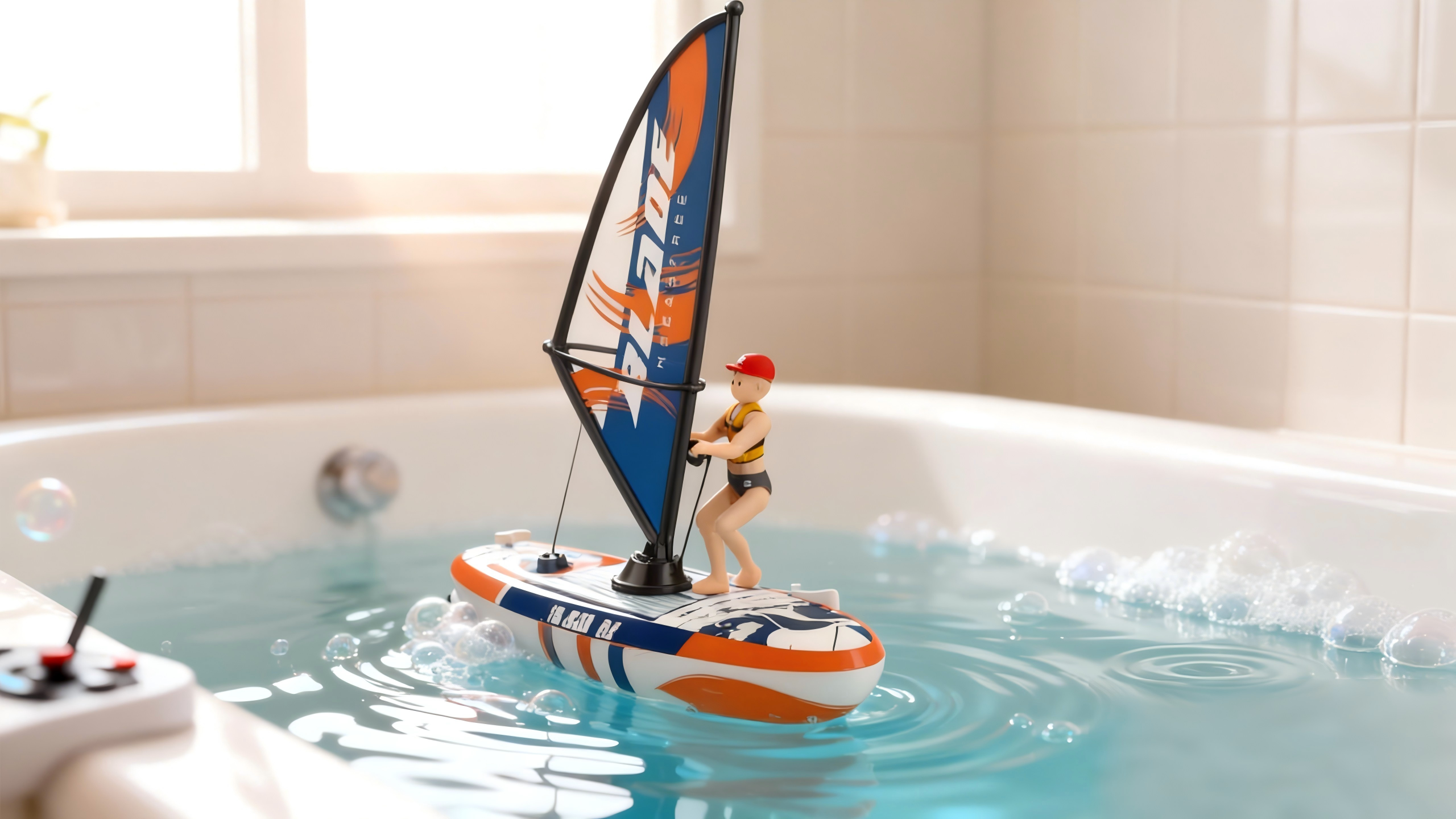
Drowning is quick and silent, even in shallow water. U.S. data show drowning is a leading cause of unintentional injury death for children, with bathtubs a prominent risk for younger ages. The CDC reported sustained increases in annual drowning deaths from 2020–2022, and emphasizes layered protection and active supervision around any water. See the CDC’s guidance on prevention in its 2024–2025 briefings and resources: CDC drowning prevention overview and CDC Vital Signs report.
Pediatric guidance recommends “touch supervision” in bathtubs: remain within arm’s reach, keep a hand on the child, and never leave them unattended. The American Academy of Pediatrics’ parent resources reinforce bathroom safety rules and immediate tub emptying after use. Learn more in AAP’s water safety for young children.
Bathtub RC boat safety: IP ratings for indoor water play
IEC 60529 defines degrees of protection against water ingress using the IP code:
-
IPX4: Splashing water from any direction—splash‑resistant, not immersion‑rated.
-
IPX6: Powerful water jets—jet‑resistant, still not an immersion specification.
-
IPX7: Temporary immersion—provides margin for brief accidental dunking; do not assume prolonged submersion is safe.
Parents should match play style and water depth to the rating. If a toy isn’t immersion‑rated, avoid dunking; keep water shallow and watch for ingress signs (fogging, damp battery compartments). For the standard’s scope, see IEC 60529 overview. If you’re scanning product pages, look for phrases like “IPX rating bathtub” or explicit IPX levels and usage notes.
Battery safety for RC boats (low‑voltage, sealed compartments)
-
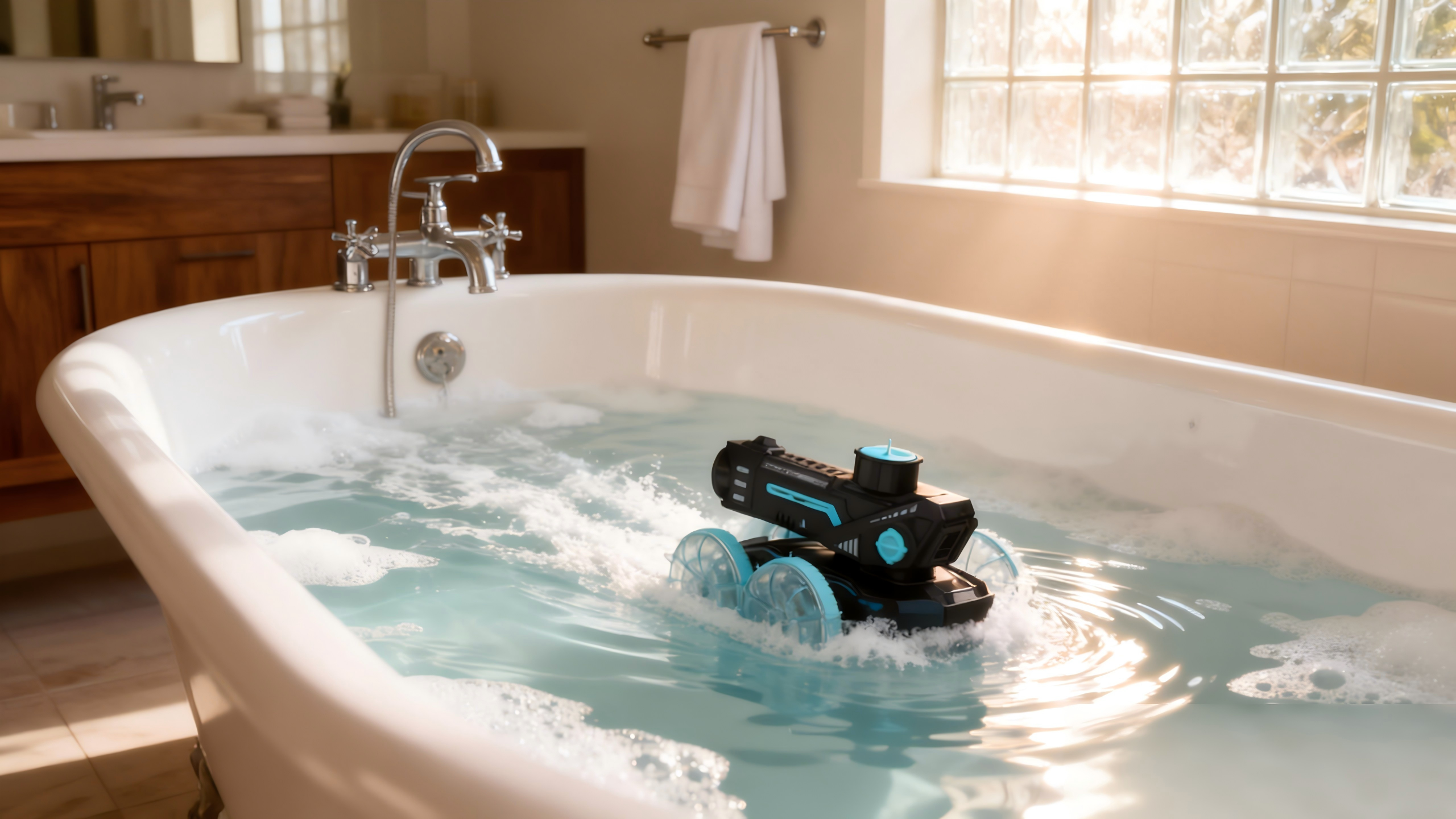
Prefer sealed, low‑voltage designs (commonly below 12V) intended for children’s toys.
-
Use only the included or manufacturer‑approved charger; do not mix chargers across brands.
-
Charge at room temperature, on a hard, non‑flammable surface, away from soft furnishings and exits; monitor while charging.
-
Never charge in bathrooms or near water; humidity and splashes increase risk. Fire authorities recommend ventilated areas and, where feasible, charging outside. See NFPA consumer tips on lithium‑ion safety and FDNY battery safety guidance.
Adult supervision workflow
Set up a simple routine so fun stays predictable and safe.
-
Before play: Choose a properly certified toy (CPC/ASTM F963, FCC/CE as applicable). Lay a non‑slip bath mat; set a shallow water level; remove electrical appliances; place a towel and a small retrieval net within reach.
-
During play (6 steps):
-
Keep “touch supervision”: stay within arm’s reach at all times.
-
Start with short sessions (10–15 minutes), then rest.
-
Keep hair and strings away from the propeller; ensure the prop stops before hands go near.
-
Avoid deliberate submersion unless the toy is rated for it.
-
Watch for radio interference or stalls; if the boat stops, power off the transmitter and retrieve with a net rather than hands near the prop.
-
If you see ingress signs (foggy window, moisture), stop immediately and dry.
-
-
After play: Power off; wipe down; air‑dry fully on a clean towel or rack. Open the battery compartment only per the manufacturer’s instructions when fully dry. Store the toy and charger in a cool, dry place—never charge in the bathroom.
Cleaning, drying, and mold prevention
Rinse the boat with clean tap water to remove soap residue, then wipe and air‑dry completely. For nonporous parts, you may use a household sanitizer per label directions, followed by a rinse and thorough drying. The CDC’s home cleaning page outlines safe disinfecting for nonporous items: CDC cleaning guidance.
Avoid hollow bath toys that trap water and biofilm; prefer solid or disassemblable toys. Discard items with visible mold or those that cannot be dried thoroughly. Infection‑control groups recommend complete drying and replacement when contamination is evident; see IPAC Canada toy practice recommendations.
Common mistakes to avoid
-
Leaving a child unattended in or near the tub—even for a moment.
-
Treating splash‑resistant (IPX4) toys as if they were immersion‑rated.
-
Charging batteries in bathrooms, unattended, or overnight.
-
Ignoring missing or incomplete labels: no CPC (U.S.), no CE mark (EU), no FCC Part 15 statement for 2.4 GHz radios.
-
Storing toys damp or reusing them after signs of water ingress without proper drying.
A practical micro‑example (with disclosure)
Disclosure: PlayPulse RC is our product.
For a compact, bathtub‑friendly setup, some parents choose small boats designed for shallow water and easy handling. One neutral example is a compact waterproof unit paired with a 2.4 GHz transmitter. In practice, it fits neatly into the “before play” checklist: you verify CPC/ASTM F963 and FCC labeling, check the stated IP rating (aim for IPX7 if accidental dunking is likely), lay down a non‑slip mat, and keep a plastic net handy for retrieval. If the boat stalls, you power off the transmitter, wait for the prop to stop, and scoop it out without reaching near the propeller. For a safety‑first walkthrough and parent tips, see PlayPulse RC’s guide RC Boat Bathtub Safety: A Caution‑First Parent Guide.
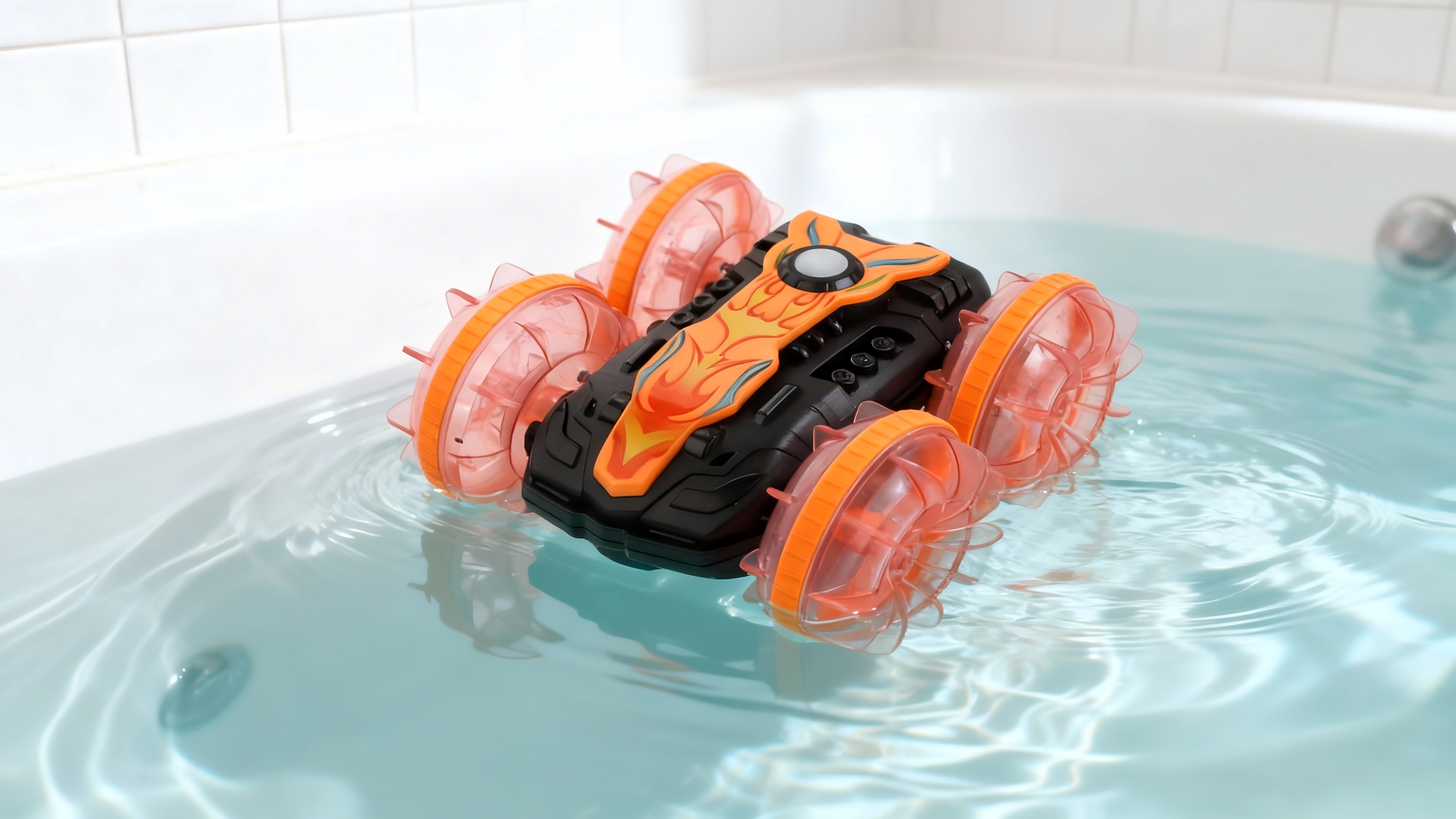
Quick decision flow: Is this RC boat safe for bathtub play?
-
Does the toy have CPC/ASTM F963 (U.S.) and appropriate labeling (FCC/CE)? If no → choose another product.
-
Is the IP rating suitable (IPX4 splash vs IPX7 brief immersion)? If unclear → treat as splash‑only and keep water very shallow.
-
Is the battery compartment sealed and the charger approved? If no → do not use near water.
-
Are you prepared for touch supervision and have a retrieval tool ready? If no → delay play until these are in place.
Resources and further reading
-
CDC drowning prevention and data: CDC drowning prevention overview
-
AAP water and bathroom safety for young children: AAP water safety guidance
-
CPSC toy safety and CPC basics: CPSC toy safety page
-
IEC IP code scope: IEC 60529 overview
-
NFPA lithium‑ion consumer safety: NFPA battery safety tips
Looking for examples of compact boats and manufacturer care instructions? Explore PlayPulse RC’s RC Boats for Pool & Bathtub Fun collection or connect via the FAQ and support page.
Play safely, keep sessions short, and stay hands‑on—bathtub RC boat adventures can be a wonderful way to learn, laugh, and bond when you build safety into the fun.