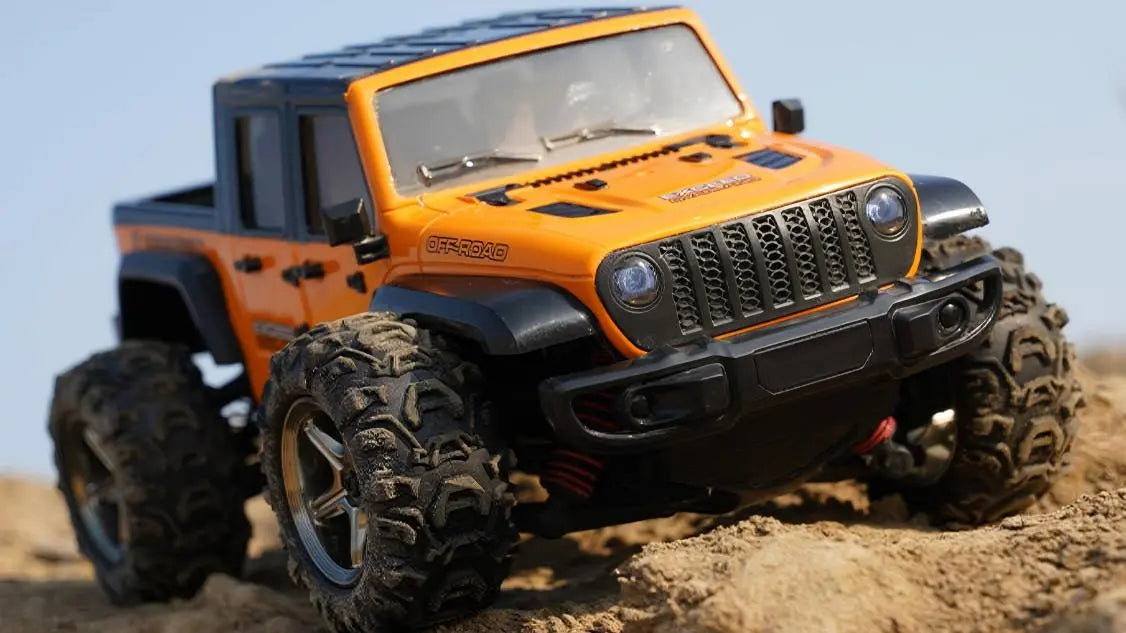
Lowrider RC Car for Beginners: Culture, Safe RTR Basics, and Old‑School Video Tips
If the phrase “low and slow” makes you think of gleaming paint, wire wheels, and a car that glides like it’s floating, you’re already halfway to understanding the appeal of a lowrider RC car. This beginner‑friendly guide starts with the culture and visual language that inspires the hobby, then walks you through safe, ready‑to‑run basics for families and newcomers, and finishes with a simple phone‑filming recipe that gives your clips an old‑school vibe.
Key takeaways
-
Lowriding is a family‑ and community‑centered culture defined by “low and slow,” artistry, and pride—not just hopping tricks.
-
For beginners, an RTR (ready‑to‑run) lowrider RC car reduces setup time and helps avoid early breakages when paired with a short pre‑drive checklist.
-
Gentle hopping in RC comes from servos and linkages, not fluid hydraulics; set conservative endpoints to protect gears.
-
A 15–30 second “old‑school” short is easy: shoot a low side cruise, a warm‑lit detail, and a gentle lift/three‑wheel, then cut on the beat.
What “low and slow” means — culture and style in plain language
Lowriding began in Mexican American communities in the 1940s–50s and grew into a multigenerational practice of craft, kinship, and expression. Museums and historians describe it as a movement where cars become canvases—rolling stories that carry family histories and neighborhood pride. For a clear overview of that history and ethos, see the Smithsonian Magazine feature on the vibrant roots of lowriding in Los Angeles (2020s travel/history coverage) and the National Museum of American History’s bilingual exhibit pages framing lowriding as intergenerational artistry and community.
-
According to the Smithsonian, the “low and slow” ethos values cruising, design, and presence over speed, with candy‑paint finishes, pinstriping, and show‑stopping stance celebrated in parades and meets. See the cultural context in the Smithsonian’s article: The Vibrant History of Lowrider Car Culture in L.A. (Smithsonian Magazine).
-
The National Museum of American History’s exhibit hub, Corazón y vida: Lowriding Culture, highlights family, solidarity, and icons like “Gypsy Rose,” underscoring how clubs and gatherings build community across generations. Explore the museum’s framing here: Corazón y vida: Lowriding Culture (National Museum of American History).
How this informs your RC build and filming: aim for smooth cruising shots, warm reflections in the paint, and respectful presentation. Think of your RC as a tiny show car—polish the body, keep your moves controlled, and let the style breathe.
Is a lowrider RC car right for your family — the RTR mindset
For parents and brand‑new hobbyists, an RTR lowrider RC car is a smart start. RTR means the transmitter, battery, and charger are included; you unbox, charge, and drive. The benefits are straightforward: fewer setup surprises, a matched radio system (usually 2.4 GHz), and a chassis that’s already tuned well enough for a first cruise. You can still personalize later with bodies, wheels, and lighting once you’ve built basic control and care habits.
Your first 30 minutes with an RTR lowrider
This quick start gets you from box to a safe, satisfying “low and slow” rollout without stressing parts.
-
Inventory and inspect. Lay everything out, check the body fit, verify wheels are snug, and scan for any loose screws on suspension and steering.
-
Charge safely. Use the included charger on a non‑flammable surface; supervise charging. If you’re using LiPo, never leave it unattended and store it around 3.7–3.9V/cell when not in use. For fundamentals, see this beginner’s LiPo care overview with storage guidance from Access Models: The Ultimate Guide to LiPo Batteries for RC Cars (Access Models).
-
Pair and test radio basics. Power the transmitter first, then the car. Confirm steering direction and trim at low speed in a clear area.
-
Run a short pre‑drive check. A concise checklist (tighten key screws, verify gear mesh, confirm throttle/brake behavior, test suspension travel) helps prevent early breakage; EuroRC’s tutorial outlines a solid, beginner‑friendly flow: 8 Essential Checks Before Your First Drive (EuroRC guide).
-
Start “low and slow.” Cruise at walking pace to learn throttle finesse. Practice gentle arcs and stops. Keep the body on to confirm there’s no rubbing.
-
Learn the difference between lift and hop. On many RC lowriders, servos move linkages to raise the front or a corner. They’re not hydraulic systems—so avoid holding a lift at the mechanical limit.
-
Set conservative servo endpoints. With the body off, slowly increase travel until the chassis lifts cleanly but stops before any binding or servo humming. Models like Redcat’s SixtyFour document servo‑driven hopping; reading a model page can help you visualize the mechanism: SixtyFour hopping overview (Redcat product page).
-
End with a show‑car wipe‑down. Remove dust, check connectors, and park the battery in storage mode if LiPo.
Disclosure: Playpulse RC is our product. If you prefer starting with a family‑friendly selection of ready‑to‑run vehicles, you can browse the RC Cars & Trucks collection on our site: RC cars and trucks collection (Playpulse RC). The same safety and setup principles in this guide apply regardless of brand.
Safety, durability, and care that actually prevent breakages
Battery basics come first. NiMH packs are forgiving and suitable for easy cruising; use a NiMH‑capable charger and supervise charging. LiPo packs offer more punch and longer runs but require stricter care—charge in a fire‑resistant bag, don’t leave them unattended, inspect for swelling or damage, and store at the recommended voltage when you’re done. For an approachable deep dive, refer to the LiPo safety and care overview cited above from Access Models.
Next, consider water and weather. Many RTR cars are splash‑resistant rather than truly waterproof. Keep electronics away from standing water; if you do encounter moisture, dry the chassis thoroughly, re‑oil bearings, and make sure drains and vents remain clear. For a practical overview of waterproofing and post‑run maintenance, see this guide: RC Car Waterproofing Guide (RC Visions).
Finally, a quick note on safety and compliance for parents. In the U.S., toys intended for children under 14 fall under the federal toy safety standard ASTM F963, with third‑party testing and a Children’s Product Certificate. The Consumer Product Safety Commission explains these requirements in its Toy Safety FAQ: Toy Safety (ASTM F963 and CPC overview) (CPSC guidance). Most 2.4 GHz RC transmitters are unlicensed RF devices generally covered by FCC Part 15; the agency’s Equipment Authorization pages outline how devices are approved for market: Equipment Authorization overview (FCC OET). This section provides general information, not legal advice—review your model’s documentation for specifics.
Filming an old‑school lowrider short on your phone (15–30 seconds)
You don’t need a cinema rig to make a clip that reads “classic.” Combine the right frame rate, warm light, and a simple three‑shot sequence.
Phone settings that work in 2026
-
Aim for 60 fps for smooth cruising; slow‑motion options (120 fps on supported phones) can make gentle lifts feel buttery. Apple documents how to change fps directly in the Camera app: Change video frame rate on iPhone (Apple Support).
-
Use stabilization if you’re hand‑holding; if your phone has Action mode or similar, test both on and off to keep the car’s motion natural.
Make it look warm and classic
Shoot during golden hour or use a soft, warm key light. In editing, nudge Temperature/Tint warmer, soften highlights, and add a touch of grain or a subtle vignette. Adobe’s beginner resources show where to adjust these controls: Color correction and grading basics (Adobe Premiere Elements guide).
Three‑shot “old‑school read” recipe
-
Low side cruise. Place the phone at hub height, a few feet off the car’s side. Roll slowly past the lens at 60 fps for parallax and gloss.
-
Warm detail close‑up. Hold on a wheel, badge, or pinstripe in warm light; do a slow push‑in. Consider 60 or 120 fps if your phone supports it.
-
Gentle lift or three‑wheel. Frame a 45° angle and trigger a small front lift or corner stance. Cut on the beat to an oldies track; keep color warm.
Tip: Think of these three shots like verses of a short song—each adds a note. Keep takes short and confident; you can always reshoot.
Quick glossary for beginners
|
Term |
Plain‑English meaning |
|---|---|
|
Lowrider |
A custom car built to cruise low and slow; in RC, a scale model styled after classic lowrider aesthetics. |
|
Low and slow |
A cruising style that prioritizes smoothness, presence, and artistry over speed. |
|
Candy paint |
Deep, glossy paint with a translucent, candy‑like look—great for reflections on camera. |
|
Pinstriping |
Thin, decorative lines hand‑painted on body panels; in RC, often decals or printed designs. |
|
Wire wheels |
Spoke‑style wheels associated with classic lowrider style. |
|
RTR |
Ready‑to‑run: includes radio, battery, and charger so you can unbox, charge, and drive. |
|
Servo |
A small motor with gears that moves steering or lift linkages in an RC. |
|
Endpoint (EPA) |
A radio setting that limits how far a servo moves—critical for preventing binding. |
|
ESC |
Electronic speed controller: regulates power from battery to motor. |
|
LiPo vs NiMH |
Two common battery types; LiPo is lighter/powerful but needs stricter care; NiMH is simpler to manage. |
|
Water‑resistant vs waterproof |
Splash‑friendly vs submersion‑ready; most RTRs are the former—treat water carefully. |
Where to learn more and what to try next
-
Culture, respectfully: Read museum and historian perspectives for context and inspiration before you paint or film—start with the Smithsonian feature and the NMAH exhibit hub linked above.
-
Practice plan: Alternate “cruise” sessions with short endpoint‑tuning checks; keep lift motions brief and smooth. Over time, try a gentle three‑wheel stance and choreograph lift rhythms.
-
Community and etiquette: If you join local meets, keep space for full‑size cars, ask before filming others, and credit builders who inspire you.
-
Next skills: Add LED lighting, experiment with warmer color grades, or try a slightly longer 45–60 second edit that mixes day and night looks.
If you’re browsing RTR options, remember that the basics you learned here—short pre‑drive checks, conservative endpoints, and warm, respectful filming—apply across brands and models. Have fun, keep it safe, and let the style shine.