

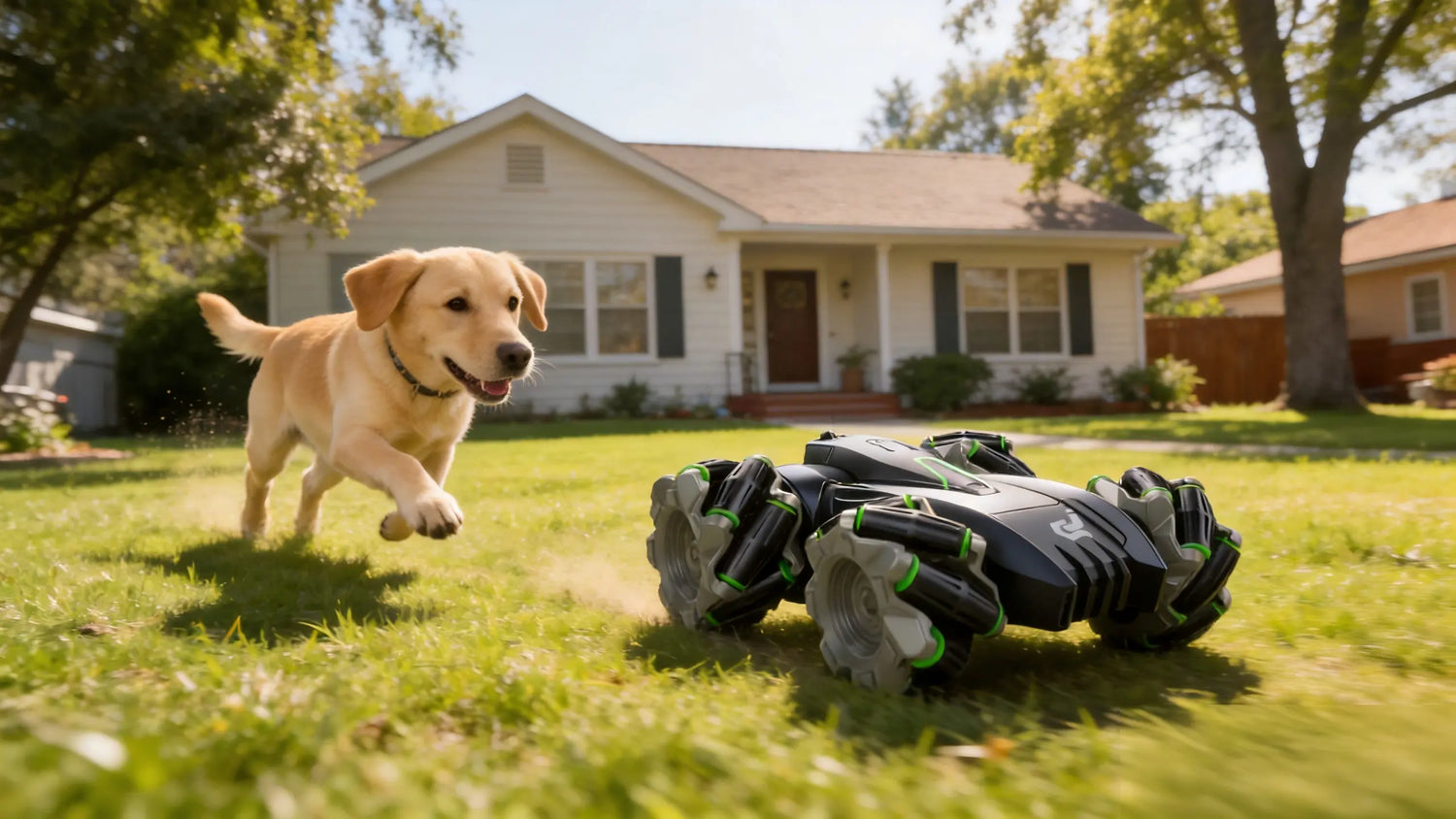
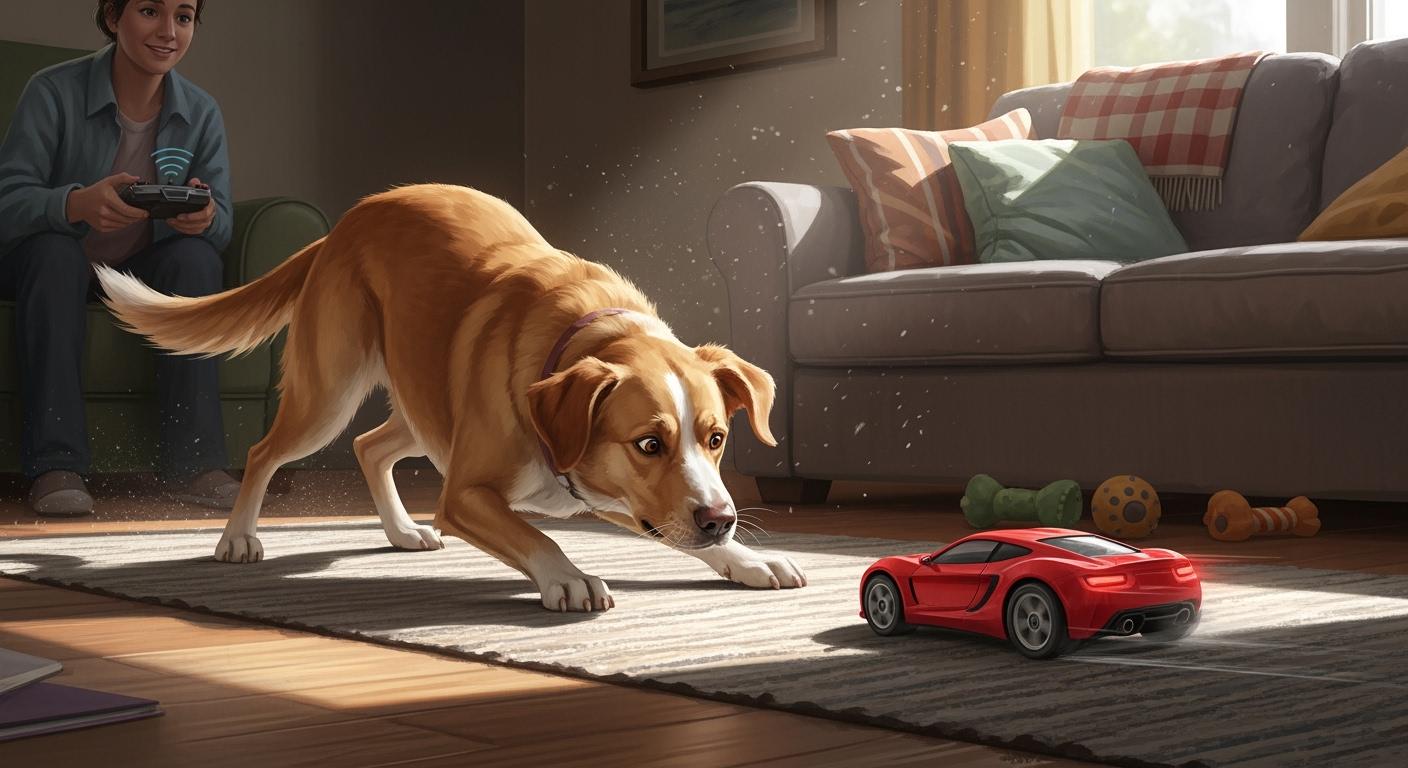
I love watching my dog’s eyes light up when I bring out a Pet-Friendly RC Car. It turns a boring day into an adventure. My pup gets a great workout chasing it, and I see him thinking hard about how to catch it. This little gadget adds fun to our routine. I always make sure to start slow and pick the right car for his size and energy. Safety comes first, but creativity makes every session special.
Key Takeaways
-
Pick an RC car that matches your dog’s size and energy. Make sure it has speed settings you can change. The car should be quiet so your dog feels safe.
-
Make a safe place for training by moving things out of the way. Check that the area is open and clear. This stops accidents and keeps your dog focused.
-
Let your dog get used to the RC car slowly. Begin with short times and give rewards for calm actions. This helps your dog feel happy and brave.
-
Add fun games like chase and recall to training. Give treats and say good things when your dog does well. This makes learning fun and helps your dog remember.
-
Watch how your dog is doing and change training if needed. Celebrate small wins to keep training happy and fun.
Choosing a Pet-Friendly RC Car
Essential Features
When I started looking for the right Pet-Friendly RC Car, I realized not all models work for every dog. I always check the size first. Small dogs need a tiny, lightweight car, while big dogs can handle something larger and sturdier. Speed matters, too. If the car goes too fast, my dog might get scared or lose interest. I like to pick a car with adjustable speed settings, so I can match the pace to my dog’s comfort.
Noise is another thing I watch for. Some RC cars make loud buzzing sounds, which can startle sensitive pups. I look for models that run quietly. Durability is a must. My dog loves to chase and sometimes tries to catch the car. I need a car that can handle bumps and the occasional nibble. Safety features, like enclosed batteries and soft tires, help protect both my dog and my floors.
Here’s a quick table I use to compare some options:
|
Model |
Speed mode (min/max) |
Noise notes |
Tires / floor safety |
Battery enclosure |
Price (USD, from) |
|---|---|---|---|---|---|
|
Turbo Racing C76 (1:76) |
Low top speed (~6 km/h) |
No dB published |
Very small rubber tires |
Enclosed micro chassis |
~$89–$100 |
|
HEXBUG Remote Control Mouse |
Ultra-slow toy-class |
No dB published |
Lightweight; minimal impact |
Toy enclosure |
$19.99 |
Best Beginner Models
For my first Pet-Friendly RC Car, I wanted something easy to control and safe for my dog. I found that beginner models often have special features that help new users. Some cars have a training mode that cuts the power in half, so I don’t have to worry about losing control. Others come with stability management, which keeps the car steady even if I make sharp turns. Self-righting technology is a lifesaver—it flips the car back onto its wheels if it tips over, so I don’t have to stop the fun.
Here are some features I look for in beginner models:
|
Feature |
Description |
|---|---|
|
Training Mode |
Halves power output for safer control. |
|
Stability Management |
Makes steering easier for new users. |
|
Self-righting Technology |
Flips the car upright if it rolls over. |
|
Customer Support |
Help is available seven days a week. |
|
Battery and Charger |
Check if included, since not all models come with these. |
|
Speed Range |
Entry-level models reach 20-30 mph, which is fast enough for fun but not too overwhelming. |
I also like sturdy models, like the PlayPulse RC car, because they can handle rough play and keep going strong. Picking the right Pet-Friendly RC Car makes training sessions safe, fun, and rewarding for both me and my dog.
Preparing for RC Car Training
Safe Training Space
Before I start any training session, I always make sure the area is safe for my dog and the RC car. I pick a spot with plenty of open space. My backyard works great, but a quiet park or a large living room can also do the trick. I remove anything that could trip my dog or block the car. Toys, shoes, and cords go away. I check for sharp objects or small items my dog might chew on.
Here’s a quick checklist I use before every session:
-
Clear the floor of clutter and obstacles.
-
Make sure the ground is even and not slippery.
-
Keep other pets and people out of the area.
-
Have water nearby for breaks.
-
Check the weather if training outside.
Tip: If you train indoors, use a rug or mat to help the car grip and to protect your floors.
Gradual Introduction Steps
I never rush the first meeting between my dog and a Pet-Friendly RC Car. Some dogs get excited right away, but others feel nervous. I want my dog to feel safe and curious, not scared.
Here’s how I introduce the RC car step by step:
-
I let my dog sniff the car while it’s turned off.
-
I turn the car on, but keep it still. My dog listens to the sound and gets used to it.
-
I move the car slowly, just a few inches. I watch my dog’s reaction.
-
If my dog stays calm, I drive the car in short, gentle bursts.
-
I reward my dog with treats and praise for calm behavior.
-
I keep sessions short at first, then slowly make them longer as my dog gets more comfortable.
Every dog learns at their own pace. I stay patient and make sure each session ends on a positive note.
Basic Training with RC Cars
Chase and Recall Games
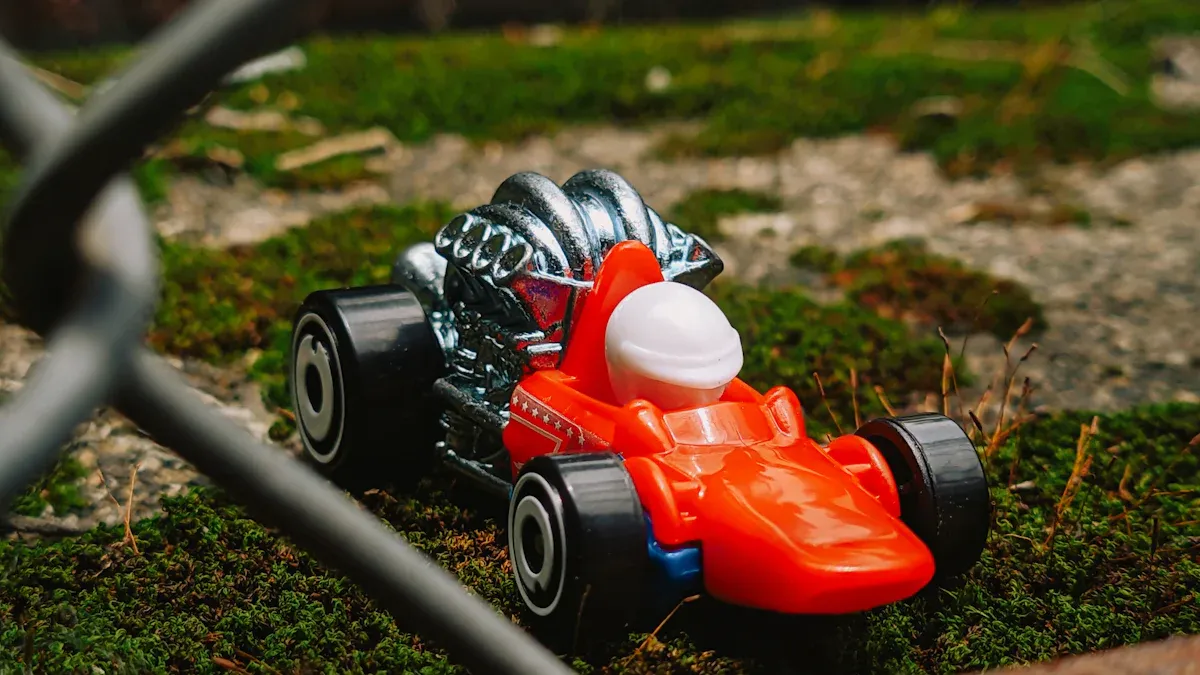
I love using a Pet-Friendly RC Car to play chase and recall games with my dog. These games help my dog burn energy and learn to come when called. I start by driving the car in short bursts across the yard. My dog gets excited and starts chasing it. When he catches up, I call his name and ask him to come back to me. If he listens, I reward him with a treat or a favorite toy.
Sometimes, I make the car stop and wait for my dog to touch it. This teaches him to focus and follow directions. I keep the game simple at first. I drive the car slowly and use lots of praise. As my dog gets better, I make the car move faster or change directions. This keeps him thinking and makes the game more fun.
Tip: Always keep the car at a safe speed. If your dog gets tired, let him rest before starting again.
Impulse Control Exercises
Impulse control is important for every dog. I use the Pet-Friendly RC Car to help my dog practice waiting and listening. I place the car in front of him and ask him to sit and stay. He wants to chase it right away, but I wait until he calms down. When he sits quietly, I drive the car slowly and let him chase it.
Here’s a simple impulse control routine I follow:
-
Ask your dog to sit and stay.
-
Place the RC car nearby.
-
Wait for your dog to stay calm.
-
Move the car slowly and release your dog to chase.
-
Reward your dog for waiting and listening.
I repeat this routine a few times each session. My dog learns to control his excitement and listen to my commands. This helps him in other situations, like greeting guests or waiting for meals.
Lure Coursing and Enrichment
Lure coursing is a fun way to give my dog mental and physical exercise. I attach a small toy or ribbon to the Pet-Friendly RC Car. My dog loves chasing the moving lure. I drive the car in zigzag patterns or circles. This makes the chase more interesting and keeps my dog guessing.
I change the lure often. Sometimes I use a squeaky toy, other times a soft rope. My dog never gets bored because the game always feels new. I watch his reactions and adjust the speed or direction to match his energy. If he catches the lure, I let him celebrate and play with it for a minute.
Note: Always supervise your dog during lure coursing. Make sure the toy is safe and securely attached to the car.
Here’s a quick table of enrichment ideas:
|
Enrichment Idea |
How to Use with RC Car |
Dog Benefit |
|---|---|---|
|
Squeaky Toy |
Attach to car, drive in zigzags |
Mental stimulation |
|
Rope Tug |
Drag slowly, let dog catch |
Physical exercise |
|
Treat Holder |
Secure treats, reward after chase |
Motivation boost |
I find that using a Pet-Friendly RC Car for lure coursing keeps my dog happy and engaged. He gets exercise and uses his brain to figure out how to catch the moving toy. Every session feels like a new adventure.
Safety and Troubleshooting
Preventing Injuries
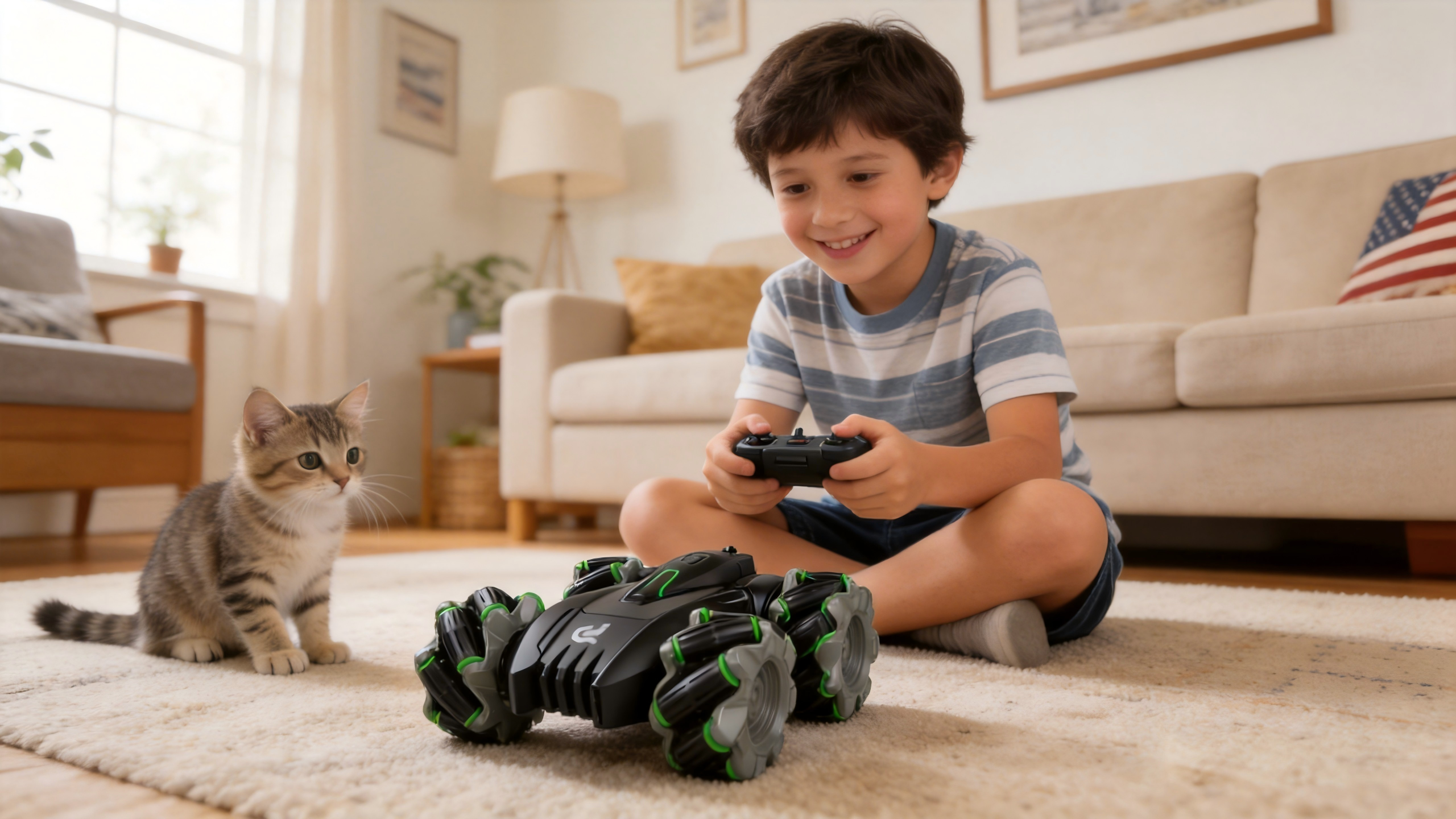
I always want my dog to stay safe during play. Before each session, I check the area for hazards. I make sure there are no sharp objects or slippery spots. I keep the car speed low, especially when my dog is just learning. If my dog gets too close, I stop the car right away. I never leave my dog alone with the RC car. Supervision helps me prevent accidents.
Here’s a quick safety checklist I follow:
-
Watch your dog at all times.
-
Keep the car speed slow and steady.
-
Use a soft toy or ribbon for lure games.
-
Check the car for loose parts before play.
-
Stop the session if your dog looks tired or stressed.
Tip: I always keep water nearby. Dogs can get thirsty after chasing the car.
Handling Fear or Overexcitement
Some dogs feel nervous around new toys. Others get too excited and forget to listen. I pay close attention to my dog’s body language. If he seems scared, I slow down and let him sniff the Pet-Friendly RC Car. I use treats and gentle praise to help him feel comfortable.
When my dog gets overexcited, I ask him to sit and take a break. Calm moments help him focus. I keep sessions short and fun. If he gets distracted, I use a favorite toy or treat to bring his attention back.
Here’s a table with common issues and simple solutions:
|
Issue |
What I Do |
|---|---|
|
Fear |
Slow introduction, use treats |
|
Overexcitement |
Short breaks, calm commands |
|
Distraction |
Use favorite toy, gentle praise |
Every dog is different. I adjust my approach to match my dog’s needs. Patience and positive reinforcement make training easier and safer.
Tracking Progress and Fun Challenges
Monitoring Improvement
I like to keep track of how my dog gets better with each training session. I use a simple notebook or my phone to jot down what we did and how my dog reacted. I write down things like how fast he chased the car, if he listened to my commands, and how long he stayed focused. This helps me see what works best for him.
Here’s a quick way I track progress:
-
Write the date and time of each session.
-
Note which games we played.
-
Record my dog’s mood and energy.
-
Mark any new skills or tricks he learned.
-
Add a star if he did something amazing!
Tip: Take short videos of your sessions. Watching them later helps you spot small improvements you might miss in the moment.
If I notice my dog gets bored or frustrated, I change up the routine. I might slow down the car or try a new game. I always celebrate small wins, like a perfect recall or a calm sit.
Creative RC Car Games
I love making up new games with our Pet-Friendly RC Car. These games keep my dog excited and help him learn new skills. Here are some of our favorites:
-
Obstacle Course: I set up cones, boxes, or pillows and drive the car through them. My dog follows and learns to weave and jump.
-
Hide and Seek: I hide the car behind furniture or in the yard. My dog uses his nose and eyes to find it.
-
Tag Team: I play with a friend or family member. We take turns driving the car and calling my dog, so he learns to listen to different voices.
-
Treasure Hunt: I attach a treat pouch to the car. My dog chases it and gets a tasty reward when he catches up.
Here’s a table of game ideas and what they teach:
|
Game |
Skill Learned |
|---|---|
|
Obstacle Course |
Agility, focus |
|
Hide and Seek |
Problem-solving |
|
Tag Team |
Social listening |
|
Treasure Hunt |
Motivation, recall |
Trying new games keeps training fresh and fun for both of us. I always watch my dog’s reactions and adjust the games to fit his mood and energy.
I love how a Pet-Friendly RC Car makes training fun and easy. I start slow, watch my dog’s reactions, and always keep safety first. My dog gets exercise, uses his brain, and stays happy. I try new games and change things up to keep him interested. Every dog is different, so I adjust my approach. Watching my dog learn and play brings me joy!
FAQ
How do I know if my dog likes RC car training?
I watch my dog’s body language. If he wags his tail, follows the car, and looks excited, I know he enjoys it. If he seems scared or hides, I slow down and try again later.
Can I use any RC car for my dog?
I always pick a pet-friendly RC car. I look for soft tires, quiet motors, and safe battery covers. Some regular RC cars move too fast or make loud noises. I want my dog to feel safe and have fun.
What should I do if my dog tries to bite the RC car?
I redirect my dog with a toy or treat. I teach him to chase, not bite. If he keeps biting, I stop the game and try again later. Safety comes first for both my dog and the car.
How long should each training session last?
I keep sessions short, about 10 to 15 minutes. If my dog gets tired or loses interest, I stop. Short, fun sessions help my dog stay happy and excited for next time.
Can puppies use RC cars for training?
Yes! I use slower speeds and gentle movements for puppies. I always supervise and keep sessions even shorter. Puppies learn fast, so I make sure every session feels safe and positive.

Leave a comment
This site is protected by hCaptcha and the hCaptcha Privacy Policy and Terms of Service apply.