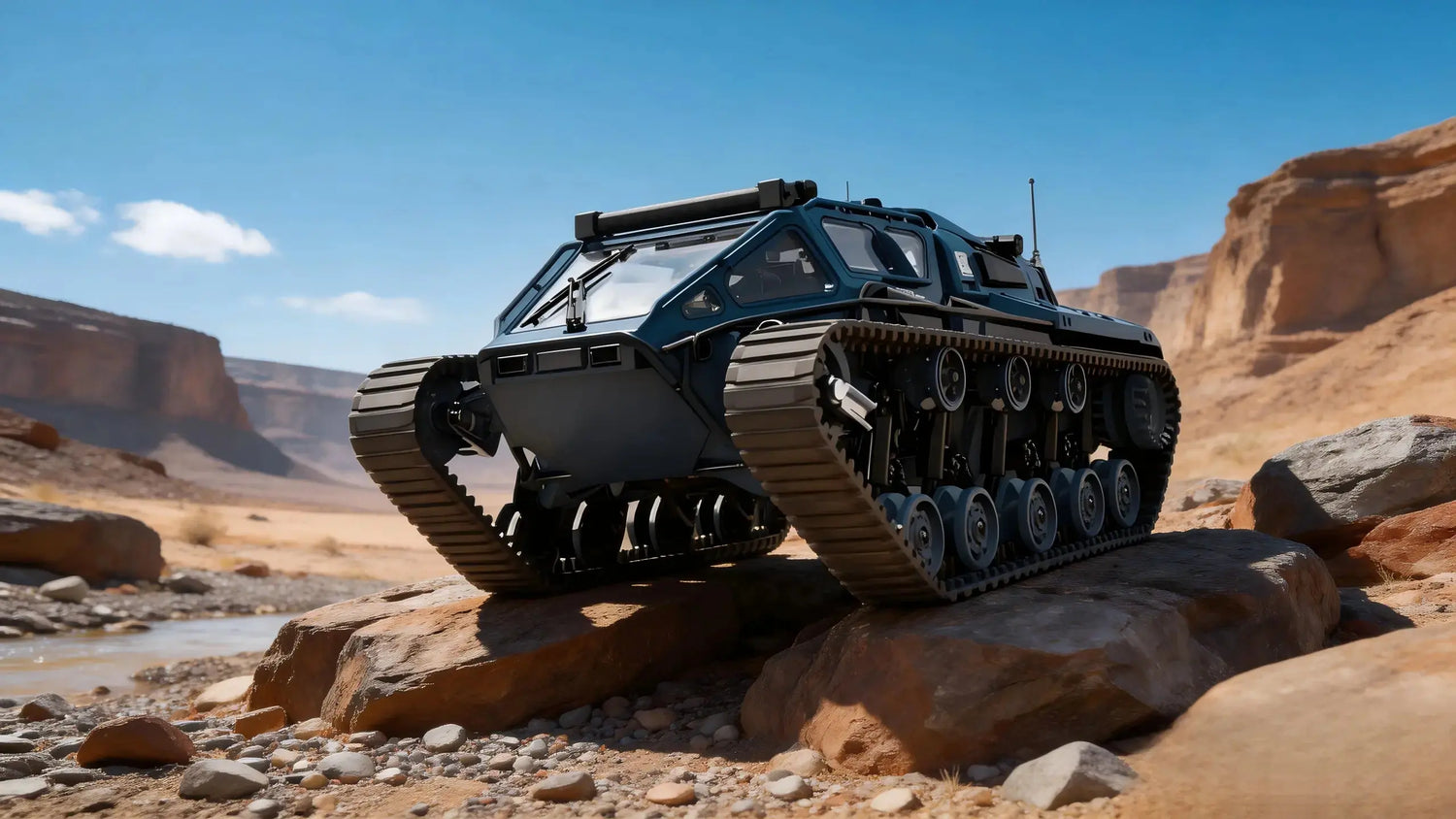
High-Speed RC Tanks for Kids: Safe Drifting, Turret Effects, and Park Play
When your kid asks for a fast RC tank, you want two things at once: big smiles and real safety. This ultimate guide shows parents of children ages 6–12 how to choose and use a high-speed RC tank that drifts, keeps turret rotation and sound/light effects fun, and stays park friendly. What matters most to you? Durable builds, predictable handling, and clear safety labels—or the wow factor of lights, sound, and a spinning turret? You can have both, if you stage the learning curve and verify compliance up front.
Key takeaways
-
For ages 6–12, prioritize stability and progressive speed modes over raw top speed; a high-speed RC tank should be fun to drift yet predictable and easy to rein in.
-
Look for 2.4 GHz control, low center of gravity, 4WD, and clearly stated safety certifications; verify labels and documentation before buying.
-
Enable turret rotation and sound/light effects at reduced speeds in open spaces to avoid distraction and brownouts.
-
Choose open, smooth park surfaces and follow a short drift drill to build control while keeping motors and electronics cool.
-
After wet or muddy play, clean and dry promptly to prevent corrosion and keep electronics reliable.
Quick buyer primer for your first high-speed RC tank
A good first experience combines speed with control. For children 6–12, progressive speed modes help you scale difficulty as skills grow. A beginner might start at 30–50% throttle and mild steering sensitivity; once they can brake predictably and line up smooth arcs, you can nudge performance upward. Why rush top speed when steady control turns every run into a little victory?
What to look for: a 2.4 GHz radio system for multi‑kid reliability, 4WD and a low center of gravity for stable cornering, durable tracks and gear materials, and water‑resistance claims stated clearly in the manual. For realism, confirm turret rotation works independently and that sound/light modules can be toggled or volume‑limited. Think of it this way: stability first, spectacle second.
|
Feature |
Why it matters for kids |
|---|---|
|
2.4 GHz spread‑spectrum control |
Reduces interference so multiple kids can drive together with fewer dropouts and safer spacing. According to Intertek’s overview of ETSI EN 300 328 (a common 2.4 GHz test under Europe’s RED), compliant radios are designed to share spectrum efficiently in busy environments: https://www.intertek.com/ict/etsi-en-300-328/ |
|
4WD with low center of gravity |
Keeps the tank planted during fast turns and drifts, reducing tip‑overs and frustration. |
|
Progressive speed modes |
Lets parents cap speed for beginners and unlock more as control improves. |
|
Durable tracks and gears |
Withstand bumps during drift practice; metal reinforcements where appropriate lower breakage. |
|
Water‑resistant electronics |
Light splashes are common in parks; sealed compartments and post‑run care prevent damage. A typical manufacturer manual (ARRMA example) outlines after‑wet routines that translate well to kid‑friendly vehicles: https://www.arrma-rc.com/on/demandware.static/-/Sites-horizon-master/default/dw6fa67703/Manuals/ARA4306V4_MANUAL_ML.pdf |
|
Turret and sound/light controls |
Realism without distraction; lower volume modes and independent turret control aid safety. |
Safety and compliance in plain English
In the United States, toys must meet the federally mandated ASTM F963 toy safety standard. The U.S. Consumer Product Safety Commission adopted the latest edition effective April 20, 2024, as described in the Federal Register’s Safety Standard Mandating ASTM F963 for Toys: https://www.federalregister.gov/documents/2024/01/18/2024-00741/safety-standard-mandating-astm-f963-for-toys. For a parent, that means you should expect labeling and documentation that map to this standard, and that the toy has been tested appropriately.
You can confirm this by looking for a Children’s Product Certificate that cites the rules and test details; the CPSC’s Children’s Product Certificate guidance explains what it includes and how manufacturers should provide it: https://www.cpsc.gov/Business--Manufacturing/Testing-Certification/Childrens-Product-Certificate. Tracking labels on the product and packaging help you trace batches and dates.
Radio control toys also contain 2.4 GHz transmitters and receivers. In the U.S., compliant devices fall under FCC Part 15 and should carry an FCC ID and the standard Part 15 statement. For European readers, the CE mark indicates conformity with applicable directives, with electric toys and mechanical/chemical safety addressed under harmonized EN standards and radio under the RED. A common radio test for 2.4 GHz equipment is ETSI EN 300 328, summarized accessibly here: https://www.intertek.com/ict/etsi-en-300-328/.
How to verify quickly as a parent: check the product page and packaging for a clear age grade (for example, Ages 8+ with adult supervision), explicit safety standard references (ASTM F963 in the U.S.; EN 71 and EN IEC 62115 in the EU), and an FCC ID or CE mark. Confirm there’s a readable tracking label and a way to access a conformity or test summary. If any of these are missing or vague, consider a different model.
How a high-speed RC tank works
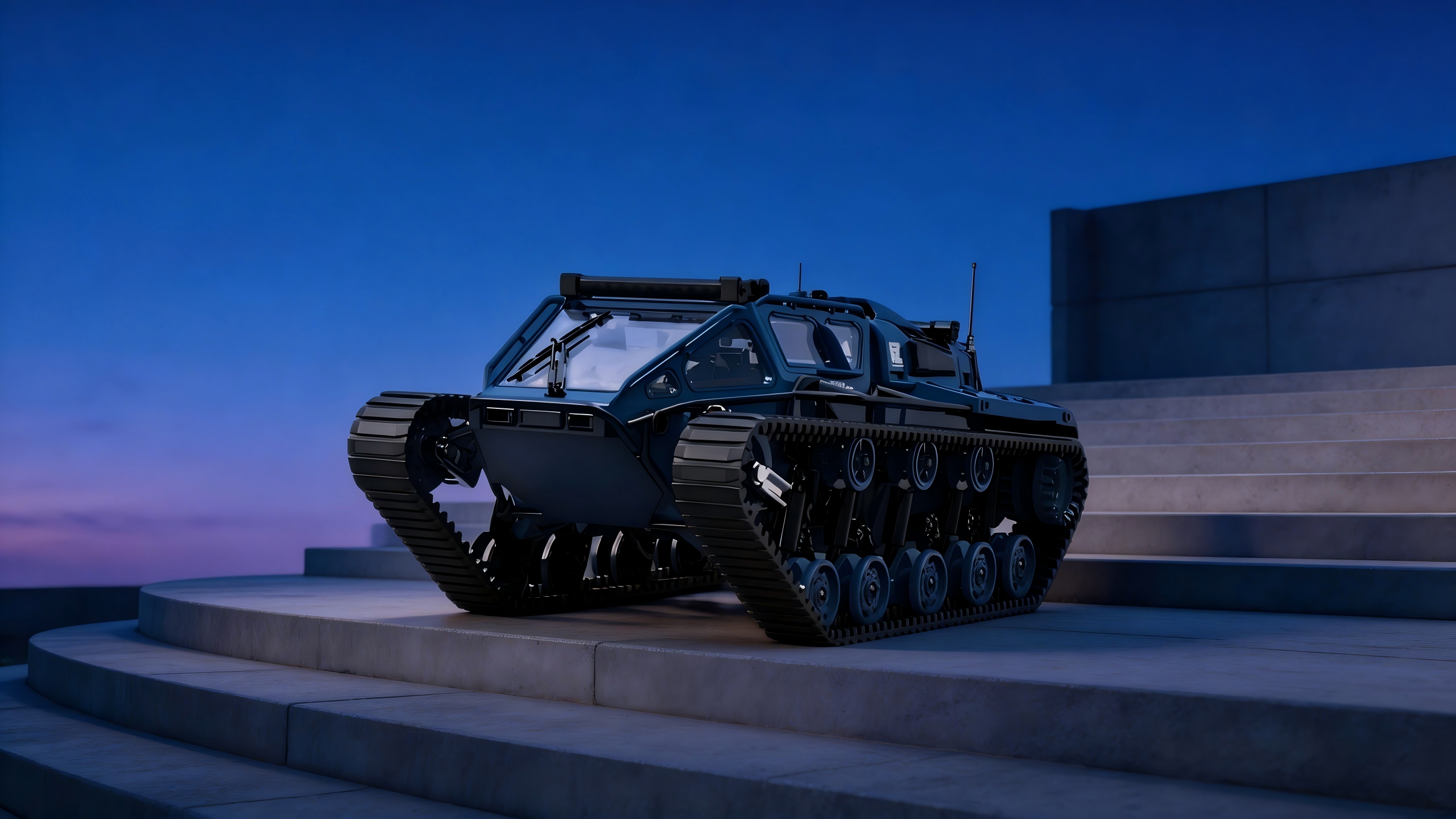
Motors and speed control. Brushed motors are simple and affordable; brushless motors are more efficient and powerful with less routine maintenance. For kids 6–12, what matters most is the electronic speed controller offering low, medium, and high modes so you can cap speed while preserving smooth throttle response. Smooth acceleration and reliable braking give beginners time to think.
Drivetrain and stability. A 4WD layout with a low center of gravity keeps the tank composed through quick direction changes. Tracks provide excellent traction across grass and compact dirt, but controlled drifting happens more easily on smooth asphalt or concrete where breakaway is predictable. To keep slides graceful rather than jerky, aim for gentle steering inputs and steady throttle. For multi‑kid sessions, spread‑spectrum radios like Spektrum’s DSM/DSMR families are engineered to coexist with many users, reducing dropouts in crowded parks: https://www.spektrumrc.com/spm-bs-dsmr.html.
Turret, lights, and sound. Rotating turrets and synchronized sound/light cues add excitement, but they also draw power. Enable effects at reduced speeds at first, ensure wiring is secured from moving parts, and be aware that heavy sound/light use can increase total current draw. If you ever notice sudden power dips, lower the volume or switch effects off until you confirm battery health and connections are solid.
Park drifting and turret play — setup, surfaces, etiquette
Choosing a spot. Large, open areas beat tight paths every time. Look for smooth asphalt, sealed concrete, or compact short grass with no bystanders nearby. Avoid streets, steep slopes, standing water, and sandy patches that can chew up tracks. If a skate‑style plaza is empty, its polished concrete can be a great drift surface with low tire and track wear.
Controller setup. Start beginners with low throttle endpoints and tame steering sensitivity using dual‑rate or expo. Keep early sessions short—five to eight minutes—then check motor and speed controller temperatures with a quick fingertip test or an inexpensive IR thermometer. If the system feels hotter than a warm mug, let it cool. This helps kids learn pacing and protects electronics.
Group etiquette. Announce starts and stops so everyone knows when to clear the mini course. Keep safe distances, especially on diagonals where tanks accelerate into open space. 2.4 GHz radios generally handle multiple drivers well, but show kids how to power on the transmitter first and power down the vehicle first to avoid runaways.
A simple kid‑safe drift drill:
-
Set two cones about 4–5 meters apart. Approach at a steady, modest throttle.
-
As you reach the first cone, ease off slightly and apply a gentle steering input to initiate a slide.
-
Hold angle with tiny throttle pulses, then straighten before the second cone.
-
Coast to a stop, reset, and repeat the same direction five times before switching sides to practice symmetry.
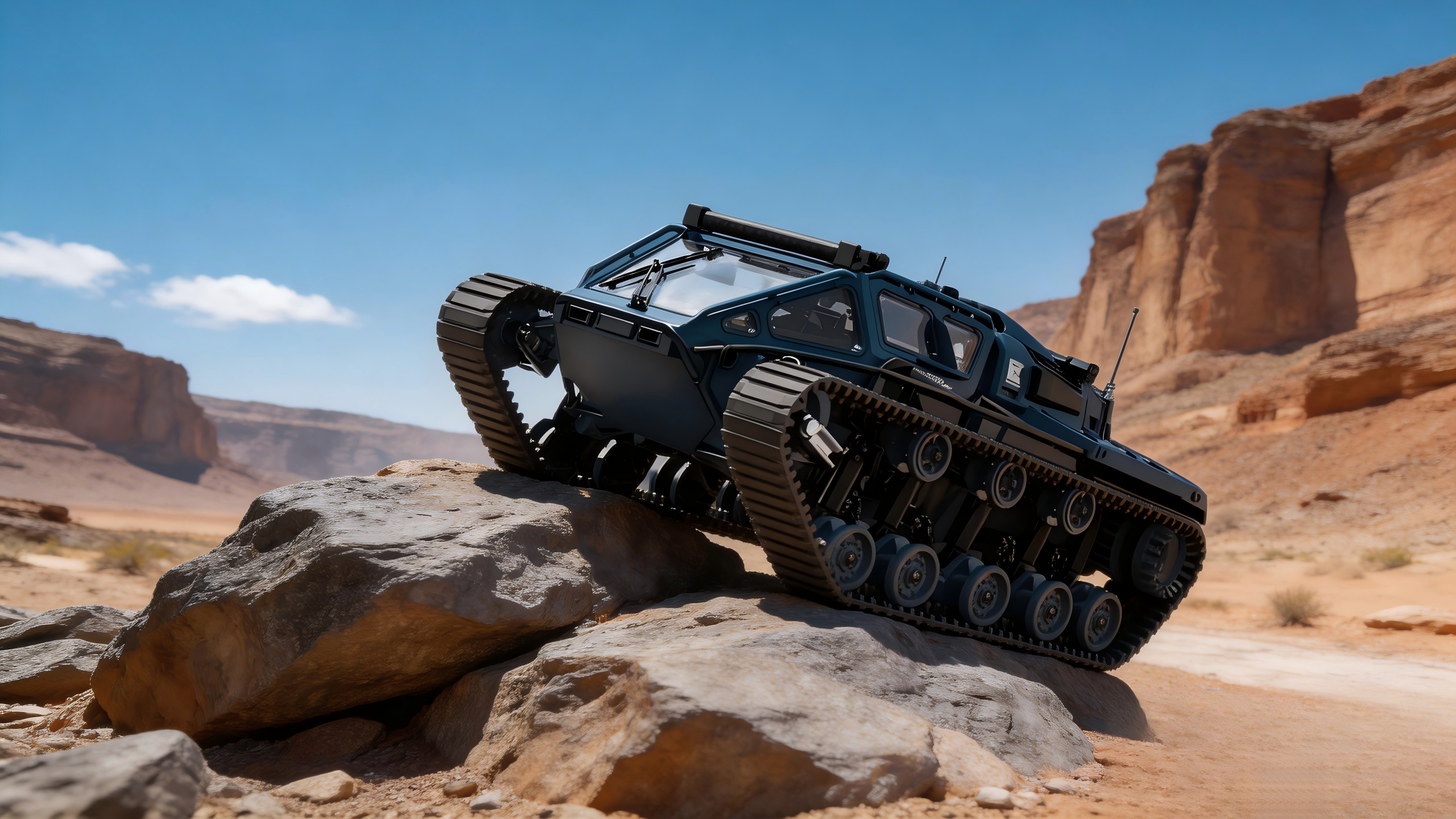
Setup, maintenance, and post‑run care
Battery basics. Charge under adult supervision on a nonflammable surface, away from soft furnishings. Use the included or manufacturer‑approved charger, and never leave packs charging unattended. For storage beyond a week or two, keep batteries partially charged in a cool, dry place. Secure battery compartments protect curious hands and prevent accidental disconnects during bumps.
After wet or muddy fun. Many kid‑friendly vehicles describe themselves as water‑resistant with waterproof electronics, which means splashes are OK but submersion is not. After a damp session, remove the battery, lightly rinse mud with low‑pressure water, blow out crevices with gentle compressed air, briefly spin the drivetrain to fling out droplets, and apply a water‑displacing oil to bearings and metal parts. Avoid saltwater entirely and dry before the next run. The approach mirrors the after‑run care found in mainstream hobby manuals (ARRMA example manual linked above).
Common issues to troubleshoot. If turret effects trigger sudden resets, reduce volume or turn effects off, then check all connectors for snug fits and inspect the battery for swelling or damage. If a track throws during an abrupt slide, reduce steering sensitivity slightly and inspect for small pebbles jammed near the sprockets. Consistent, calm inputs usually solve most early frustrations.
Product paths to consider
For 6–8 year‑olds starting out, a model with clear low‑speed mode, mild steering, and durable tracks helps build confidence. For 9–12 year‑olds who want more pace and cleaner slides, look for smoother throttle mapping, a sturdier drivetrain, and a radio with adjustable endpoints and expo. For realism‑first families, enable turret rotation and sound/light gently during straight‑line passes, then add them into slow, wide turns once control is second nature.
Before you buy, confirm the basics: age grade that matches your child, references to applicable safety standards, an FCC ID or CE mark, and accessible support for returns and spare parts. Read the manual online if possible to confirm water‑resistance language and care steps. A little homework up front saves a lot of headaches later.
FAQs for parents
Is a high‑speed RC tank safe for a 7‑year‑old? Yes, with adult supervision, speed limits enabled, and an open practice area. Start in the lowest speed mode, keep sessions short while checking temperatures, and increase performance gradually as control improves.
How long does the battery last in park play? Expect roughly 10–20 minutes depending on speed mode, surface, and use of turret effects and lights. Smooth, steady driving at moderate speeds and a well‑balanced throttle hand noticeably extend runtime.
Can kids drift on grass, or does it have to be pavement? Compact, short grass can work with gentle slides, but smooth asphalt or sealed concrete provides the most predictable breakaway and recovery for learning. Once kids can hold shallow angles reliably, experiment with different surfaces to feel how traction changes.
Resources and where to try
-
U.S. toy safety baseline: the Federal Register’s rule adopting ASTM F963‑23 explains what the standard requires and its April 20, 2024 effective date: https://www.federalregister.gov/documents/2024/01/18/2024-00741/safety-standard-mandating-astm-f963-for-toys
-
Documentation and labeling: the CPSC’s page on the Children’s Product Certificate outlines what manufacturers must include and how parents can request it: https://www.cpsc.gov/Business--Manufacturing/Testing-Certification/Childrens-Product-Certificate
-
2.4 GHz coexistence: Intertek’s summary of ETSI EN 300 328 shows how compliant radios share crowded spectrum in the 2.4 GHz band: https://www.intertek.com/ict/etsi-en-300-328/
-
Spread‑spectrum in practice: Spektrum’s DSM/DSMR technology page offers a consumer‑friendly primer on multi‑user reliability: https://www.spektrumrc.com/spm-bs-dsmr.html
-
After‑run wet care: an ARRMA manual details water‑resistant routines that apply broadly to splash‑tolerant RC vehicles: https://www.arrma-rc.com/on/demandware.static/-/Sites-horizon-master/default/dw6fa67703/Manuals/ARA4306V4_MANUAL_ML.pdf
If you want hands‑on time before you decide, some retailers and makers provide supervised demo spaces. PlayPulse RC operates a family‑focused showroom where visitors can explore RC products and ask setup and safety questions; you can learn more on the PlayPulse RC homepage: https://www.playpulserc.com.
Closing thoughts
A high‑speed RC tank can be both thrilling and thoughtful—a way to teach planning, patience, and mechanical curiosity while you and your child share time outdoors. Pick stability over flash at first, practice short drift drills on safe surfaces, and care for the machine after each session. The small habits you build now turn quick play breaks into lasting skills and memories.