


Best Brushless RC Cars for Beginners (2026)
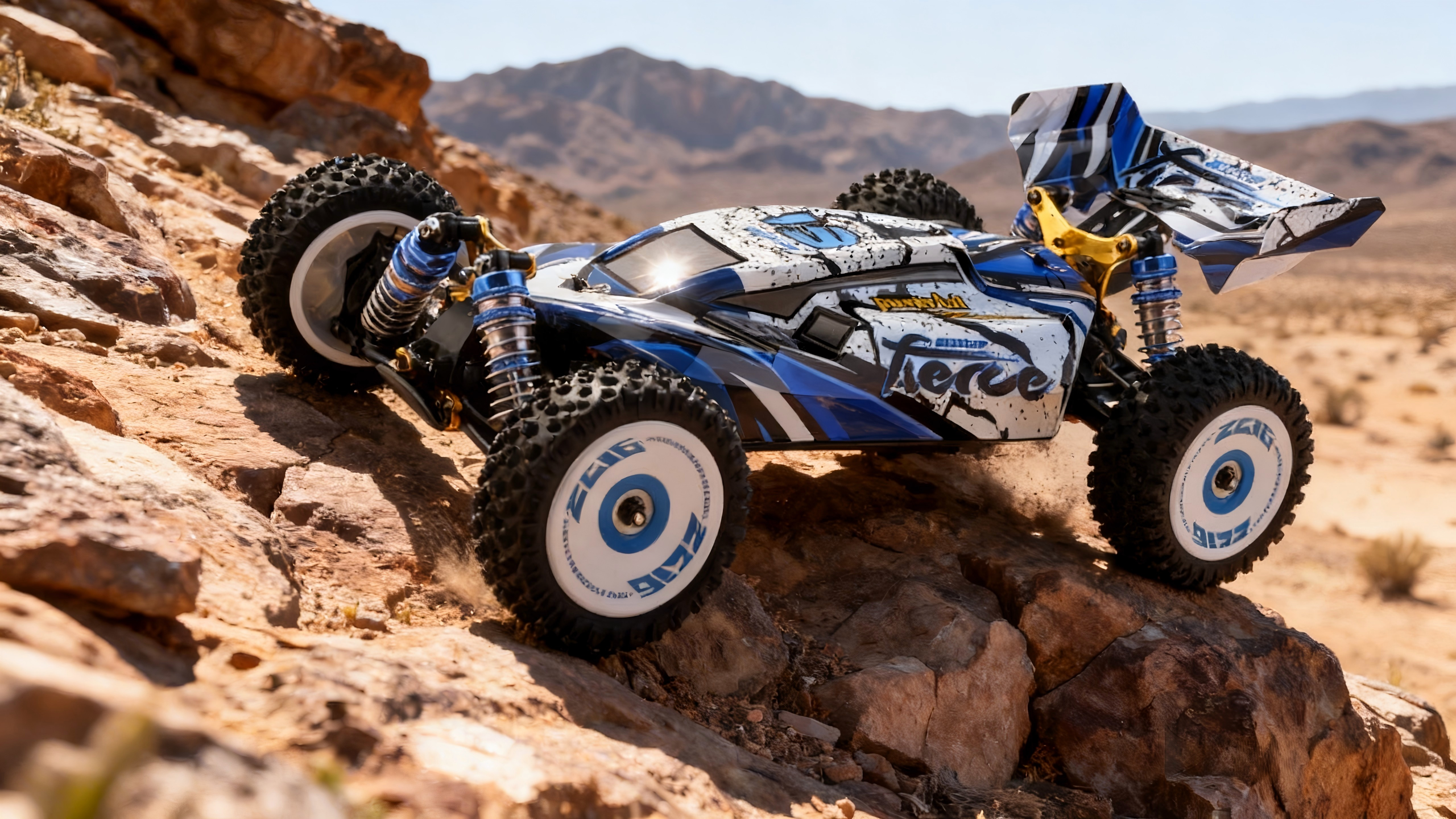
If you’re a teen or first‑time driver who wants real speed without constant wrenching, brushless RTR (ready‑to‑run) cars are where the fun begins. This guide focuses on beginner‑friendly brushless picks that balance punchy acceleration with crash tolerance, 4WD control, and honest waterproofing.
Quick context before we start: brushless motors are more efficient and durable than brushed, but they also amplify responsibility—especially with LiPo batteries. Most beginners should start on 2S power and use throttle limits when available, then step up to 3S later.
-
Soft CTA: Prefer a quick shortlist? Explore beginner‑friendly options and how to choose in the Playpulse RC collections and guides: RC cars for outdoor adventures and the RC crawler buyer’s guide (applies many beginner principles).
Key takeaways
-
The best brushless rc car for beginners usually pairs a 4WD chassis with throttle‑limit settings and sealed electronics.
-
Start on 2S batteries to learn control; move to 3S after you can keep the car planted and temps in check.
-
“Waterproof electronics” typically means ESC/receiver/servo are sealed; still dry and inspect the car after wet runs.
-
Many RTRs don’t include a battery/charger. Plan an extra $50–$200 depending on brand and charger type.
-
For small yards or indoor tracks, a slower 1/18–1/16 model is easier to manage than a wild 1/10 on 3S.
How we chose (and what “beginner‑friendly” means)
We evaluated each model using a transparent, weighted framework designed for first‑time owners:
-
Beginner handling & learning curve — 18%: Stability aids/gyros, throttle limits, radio endpoints, and “survives the first two hours” crash tolerance.
-
Durability & weather resistance — 18%: Arms/shocks/chassis, sealed electronics, wet‑surface bash tests, parts availability.
-
Speed‑to‑fun (RTR completeness) — 17%: Battery/charger/transmitter included, pre‑binding, setup under 15 minutes, clear manuals.
-
Performance headroom — 14%: 2S→3S capability, motor KV/ESC pairing, thermal behavior, gearing options.
-
Safety & compliance — 13%: CE/FCC/CPC marks, LiPo guidance, charger protections, age labeling.
-
Ownership cost & support — 12%: Price‑to‑spec, warranty/returns, shipping speed, spare‑part pricing.
-
Ecosystem & content support — 8%: Official docs, beginner guides, and community resources.
Disclosure: Playpulse RC is our brand. We applied the same criteria and weights to it as any other product and only include neutral policy references where useful. Learn more at Playpulse RC.
Comparison table (quick scan)
|
Model |
Scale |
Drive |
Top speed |
Battery (2S/3S) |
Waterproof |
Includes battery/charger |
Price range |
|---|---|---|---|---|---|---|---|
|
Traxxas Rustler 4x4 VXL |
1/10 |
4WD |
60+ mph (claim on 3S) |
2S/3S |
Waterproof electronics |
No/No |
$450–$500 |
|
Traxxas Slash 4x4 VXL |
1/10 |
4WD |
60+ mph (claim on 3S) |
2S/3S |
Waterproof electronics |
No/No |
$380–$450 |
|
ARRMA Granite 4x4 3S BLX |
1/10 |
4WD |
50+ mph (claim on 3S) |
2S/3S |
Waterproof electronics |
No/No |
$350–$400 |
|
ARRMA Big Rock 4x4 3S/223S |
1/10 |
4WD |
50+ mph (claim on 3S) |
2S/3S |
Waterproof electronics |
No/No |
$350–$420 |
|
ARRMA Senton 4x4 3S BLX |
1/10 |
4WD |
50+ mph (claim on 3S) |
2S/3S |
Waterproof electronics |
No/No |
$350–$400 |
|
Team Associated Rival MT10 V2 (combo) |
1/10 |
4WD |
3S‑capable |
2S/3S |
Water‑resistant |
Often Yes/Yes (combo SKUs) |
$329–$399 |
|
Losi Mini‑T 2.0 Brushless |
1/18 |
2WD |
30+ mph (2S) |
2S |
Water‑resistant |
Yes/Yes (many SKUs) |
$220–$250 |
|
BEZGAR HP161S |
1/16 |
4WD |
~25–35 mph (tests vary) |
2S/3S |
Varies by listing |
Usually Yes/Charger varies |
$120–$160 |
|
HBX 16889A Pro |
1/16 |
4WD |
~24–28 mph tested (2S) |
2S (some 3S tests) |
Varies by listing |
Yes (varies) |
$100–$140 |
|
Hyper Go 1/16 (e.g., 16210) |
1/16 |
4WD |
~25–30+ mph |
2S/3S (model‑dep.) |
Water‑resistant (retailer) |
Often Yes battery |
$100–$150 |
Pricing note: Ranges are typical street prices observed as of early 2026 and are subject to change by retailer and region.
The 10 best brushless RC cars for beginners (2026 picks)
Below, each pick includes a one‑line “best for,” core specs, beginner benefits, pros/cons, and an evidence link. To keep things simple—and keep you from drowning in tabs—we cite one authoritative source per item.
1) Traxxas Rustler 4x4 VXL — Best all‑round 1/10 fun with huge upgrade support
-
Core specs: 1/10 4WD; brushless Velineon system; 2S/3S capable; claimed 60+ mph on 3S; waterproof electronics.
-
Why it’s good for beginners
-
TSM stability helps on dusty or wet surfaces.
-
Modular chassis and tool‑less battery access reduce setup friction.
-
Deep parts ecosystem and community help.
-
-
Pros: Fast with 3S; tough chassis; abundant spares/upgrades. Cons: Battery/charger not included; high top speed needs restraint.
-
Best for: Learners who want room to grow. Not for: Tiny yards or first‑time unsupervised 3S use.
-
Price + in‑box: $450–$500; no battery/charger.
-
Evidence: See Traxxas Rustler 4x4 VXL specs and TSM/waterproof notes on the Traxxas official site.
2) Traxxas Slash 4x4 VXL — Best for short‑course realism and mixed‑surface control
-
Core specs: 1/10 4WD; brushless Velineon; 2S/3S; short‑course body/bumper; waterproof electronics.
-
Why it’s good for beginners
-
Forgiving bumpers and low CG body reduce roll damage.
-
TSM assists on low‑grip dirt.
-
Massive aftermarket and setup guides.
-
-
Pros: Stable handling; durable; big community. Cons: No battery/charger; realistic body can trap debris.
-
Best for: Dirt lots and track‑style learning. Not for: Very small spaces.
-
Price + in‑box: $380–$450; no battery/charger.
-
Evidence: Core specs and kit contents on this detailed retailer product page.
3) ARRMA Granite 4x4 3S BLX — Best durable 1/10 basher under $400
-
Core specs: 1/10 4WD; BLX100 2S/3S; radio throttle limits (50/75/100%); sealed electronics.
-
Why it’s good for beginners
-
Throttle limit switch lets you tame power on day one.
-
Robust arms/shocks for early bashes.
-
Clear manuals and modular design.
-
-
Pros: Tough; beginner throttle modes; great value. Cons: Tires/body scuff easily with skate‑park use.
-
Best for: Grass/gravel bashing with training modes. Not for: Quiet indoor spaces.
-
Price + in‑box: $350–$400; no battery/charger.
-
Evidence: See throttle‑limit and BLX specs on the ARRMA official product page.
-
Soft toolbox: Want a simple pre‑flight checklist (battery, charger, throttle limits)? Bookmark this neutral buyer explainer on our blog: RC crawler buyer’s guide. The setup principles apply to brushless bashers too.
4) ARRMA Big Rock 4x4 3S/223S — Best for “first big” monster‑truck stance
-
Core specs: 1/10 4WD; BLX/223S 2S/3S; radio throttle limits; sealed electronics; wide stance.
-
Why it’s good for beginners
-
Wide track improves stability as speeds climb.
-
Throttle‑limit switch supports a gentler learning curve.
-
Straightforward access for maintenance.
-
-
Pros: Stable; strong value; easy to work on. Cons: Some owners upgrade servo/shocks for harder bashing.
-
Best for: Teens stepping up in size and confidence. Not for: Tight sidewalks.
-
Price + in‑box: $350–$420; no battery/charger.
-
Evidence: Model specs and versions on the ARRMA Big Rock page.
5) ARRMA Senton 4x4 3S BLX — Best for track‑style control on dirt
-
Core specs: 1/10 4WD; BLX100 3S; short‑course geometry; sealed electronics; throttle limits.
-
Why it’s good for beginners
-
Stable steering on loose dirt builds confidence.
-
Short‑course body/bumper reduces snag damage.
-
Clear upgrade path as skills grow.
-
-
Pros: Predictable handling; durable; fair price. Cons: Stock tires can slide on slick pavement.
-
Best for: Dirt lots and club tracks. Not for: Wet grass with 2WD expectations.
-
Price + in‑box: $350–$400; no battery/charger.
-
Evidence: Full specs and waterproof notes on the Horizon Hobby product page.
6) Team Associated Rival MT10 V2 — Best tunable 3S power with combo options
-
Core specs: 1/10 4WD; Reedy 3300Kv brushless; 2S/3S; sealed drivetrain; combo SKUs with pack/charger.
-
Why it’s good for beginners
-
Legit 3S headroom once control is mastered.
-
Water‑resistant design for light wet use.
-
Reputable brand with upgrade ecosystem.
-
-
Pros: Punchy on 3S; combo convenience; solid parts support. Cons: Some weak points under extreme bashing (A‑arms, motor mount).
-
Best for: Teens who want 3S later without changing platform. Not for: Tiny practice spaces.
-
Price + in‑box: ~$329–$399; some combos include 3S and charger.
-
Evidence: See the 3S combo announcement from Associated Electrics.
7) Losi Mini‑T 2.0 Brushless (1/18, 2WD) — Best for small yards and indoor tracks
-
Core specs: 1/18 2WD; brushless; includes 2S LiPo and USB‑C charger in many SKUs; aluminum chassis; oil shocks.
-
Why it’s good for beginners
-
True RTR experience: charge and drive.
-
Manageable speed in small spaces.
-
Quality components teach good handling habits.
-
-
Pros: Compact; in‑box completeness; quality build. Cons: 2WD traction on wet grass is limited.
-
Best for: Apartment lots, gyms, and small tracks. Not for: Soaked lawns.
-
Price + in‑box: $220–$250; many SKUs include battery/charger.
-
Evidence: Specs and in‑box details on the Losi official product page.
8) BEZGAR HP161S — Best budget brushless 1/16 with metal drivetrain
-
Core specs: 1/16 4WD; 2845 ~4200Kv brushless; 2S stock with some 3S claims; metal drivetrain; oil shocks.
-
Why it’s good for beginners
-
Strong value for real brushless power.
-
Metal gears help survive beginner bashes.
-
Throttle modes ease the first runs.
-
-
Pros: Affordable; quick; upgradeable. Cons: Waterproof rating and in‑box items vary by listing.
-
Best for: Budget first brushless truck. Not for: Precise spec‑hunters who want official 3S mph figures.
-
Price + in‑box: $120–$160; usually includes battery; charger varies.
-
Evidence: Model overview and specs on the BEZGAR HP161S page.
9) HBX 16889A Pro — Best cheap brushless basher to start the hobby
-
Core specs: 1/16 4WD; brushless; GPS tests ~24–28 mph on 2S; widely available spares.
-
Why it’s good for beginners
-
Real‑world speed that’s manageable on 2S.
-
Known platform with lots of tutorials.
-
Spare parts are easy to find.
-
-
Pros: Great value; durable for price; easy to service. Cons: Specs and waterproof notes vary by seller.
-
Best for: First‑time bashers on a tight budget. Not for: Consistent wet‑use expectations.
-
Price + in‑box: $100–$140; often includes battery; charger varies.
-
Evidence: Representative GPS test of stock speeds in this independent video review.
10) Hyper Go 1/16 (e.g., 16210) — Best budget brushless with throttle‑limit options
-
Core specs: 1/16 4WD; common 2845 ~4200Kv; oil shocks; metal gears; some kits include throttle‑limit settings and extra pinions.
-
Why it’s good for beginners
-
Throttle limits help keep speed sane at first.
-
Often includes spares in box.
-
Plenty of community setup tips.
-
-
Pros: Punchy; affordable; upgrade‑friendly. Cons: Naming/specs vary; waterproof claims differ by retailer.
-
Best for: Teens who want to learn on 2S with room to grow. Not for: Precise spec seekers.
-
Price + in‑box: $100–$150; often includes battery; charger varies.
-
Evidence: Specs and kit contents on a representative retailer/manufacturer listing.
Buyer’s guide for first‑time brushless owners
-
RTR vs kit: Most “hobby‑grade” brushless picks here are RTR rollers without battery/charger. Kits demand assembly and electronics choices (motor/ESC/servo/radio), which can overwhelm first‑timers. If you love building and want custom specs, kits are fantastic later; otherwise, go RTR.
-
2S vs 3S (and safety): 2S (7.4V nominal) is ideal for learning lines and throttle control. Only step to 3S when you can drive consistently without cartwheeling, and verify motor/ESC temps after each pack. Always balance‑charge LiPos, use a fire‑safe bag, and store at 3.7–3.85V per cell.
-
Waterproof care and maintenance: Even with “waterproof electronics,” bearings, driveline, and hardware still need after‑run care. Rinse gently (no high‑pressure), dry thoroughly, apply light lubricant to metal parts, and check diffs/shocks after wet sessions.
-
Spare parts and ownership costs: Budget for arms, hubs, and tires—common wear items for learners. Favor platforms with strong parts availability and clear manuals. Warranty/returns matter too; for example, Playpulse RC supports new owners with defined policies and tracking updates (see warranty and logistics pages on their site once you’re shopping around).
FAQ
-
Are brushless RC cars good for beginners? Yes—if you start on 2S and use throttle limits. Brushless systems deliver longer runtimes and less maintenance than brushed.
-
What’s the difference between brushless and brushed motors? Brushless motors have no physical brushes, reducing friction and wear, which improves efficiency and power potential. Brushed is cheaper and simpler but needs more maintenance (brush/commutator wear).
-
Do I need 4WD? For beginners, 4WD helps a lot with traction on grass, gravel, and damp surfaces. 2WD can be fun and cheaper, but it’s trickier on low‑grip terrain.
-
2S vs 3S: which is safer to start with? 2S. It’s plenty fast and more controllable. Move to 3S once you can drive clean laps and your temps stay healthy.
-
What maintenance is needed for brushless? Check screws, clean and dry after wet use, inspect bearings, keep drivetrain lubricated, and monitor temps/gearing when changing batteries or terrain.
-
Are these cars waterproof or splash‑proof? Most list “waterproof electronics,” which means sealed ESC/receiver/servo. Drivelines and bearings are not sealed like a submarine; treat them as splash‑proof with post‑run care.
Verdict and next steps
If you want the best brushless rc car for beginners, start by matching speed to your space. For big fields and long dirt lots, a 1/10 4WD like the Rustler 4x4 VXL or ARRMA Granite is a confident first step on 2S with throttle limits. For small yards or indoor tracks, the Losi Mini‑T 2.0 is fast enough without being a handful. Budget picks like HBX and Hyper Go deliver real brushless fun—just pay attention to waterproofing caveats and in‑box differences.
Soft CTA: Ready to make a shortlist and compare what’s in the box? Browse beginner‑friendly categories here: RC cars for outdoor adventures. Then come back and pick the model that fits your space, your budget, and your learning curve.


Leave a comment
This site is protected by hCaptcha and the hCaptcha Privacy Policy and Terms of Service apply.