



Introduction
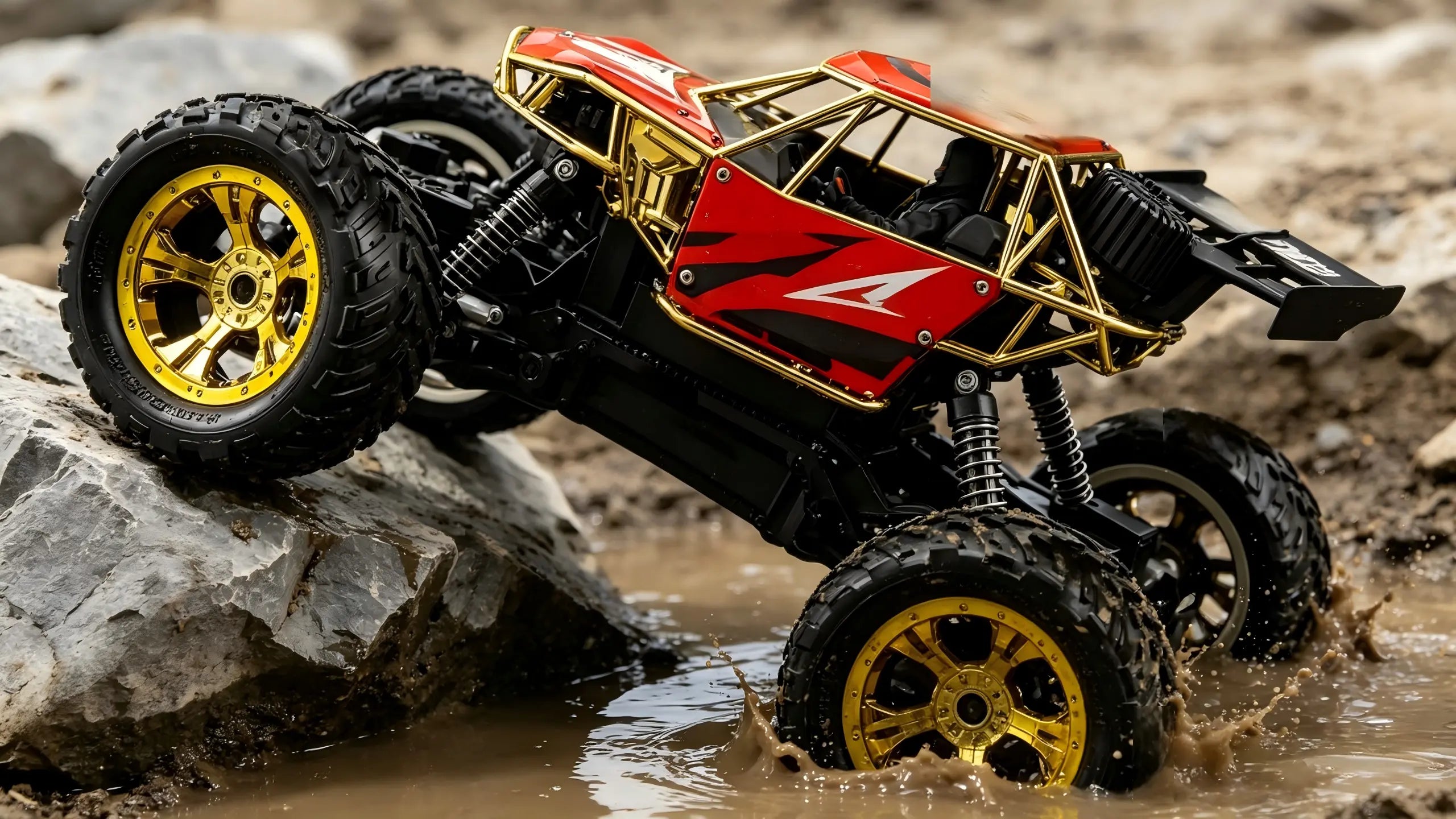
The world of RC rock crawling offers a unique blend of technical challenge and outdoor adventure. Unlike the blistering speeds of stadium trucks or the high-flying antics of bashers, rock crawling is a test of precision, patience, and strategy. It’s about conquering terrain that seems impossible, one carefully calculated move at a time. For newcomers, the journey begins with a critical decision: choosing the right vehicle. A well-chosen beginner crawler builds confidence and skill, while a poor fit can lead to frustration.
This guide synthesizes proven principles from the RC community and hands-on evaluation to set you on the right path. We’ll demystify the selection process and outline foundational techniques, using the as a benchmark for features that offer real value to a first-time driver. Let’s begin your journey.
Why Start Your RC Adventure with a Rock Crawler?
Choosing rock crawling as your entry point into radio-controlled hobbies provides distinct advantages that foster long-term enjoyment and skill development.
The Unique Thrill of Conquering Terrain
The core appeal lies in problem-solving. Each rock, incline, and crevice presents a puzzle. Success is measured not in seconds, but in clean, successful traverses. This focus on finesse over speed cultivates a deeper understanding of vehicle dynamics and control, a skillset praised by experienced hobbyists on forums like .
Building Foundational RC Skills
Rock crawling is a masterclass in vehicle control. It teaches throttle modulation (applying precise, minimal power) and line selection (choosing the optimal path). These are transferable core competencies. Mastering a slow crawl over obstacles will inherently make you a better driver of any RC vehicle, as noted in tutorial content from reputable YouTube channels like “Ultimate RC”.
A Supportive Entry to the Community
The crawling community is widely recognized for its collaborative spirit. Local “trail days” and online groups are often more welcoming to beginners than competitive racing scenes. Starting with a capable, yet accessible platform like a 1:12 scale rock crawler gives you a reliable rig to participate and learn alongside others.

How to Choose the Perfect RC Rock Crawler for Beginners
Navigating the initial purchase requires focusing on key performance differentiators that impact the out-of-the-box experience.
Understanding Scale and Size: The 1:12 Advantage
Scale, the model’s size relative to a real vehicle, dictates where and how you can drive. Industry analysis and beginner feedback consistently highlight the 1:12 scale as the ideal starting point. It offers a superior balance of capability and practicality compared to smaller, less capable models or larger, more expensive 1:10-scale rigs.
The Non-Negotiable Feature: Four-Wheel Drive (4WD)
For serious crawling, 4WD is not an optional extra—it’s essential. It provides the necessary torque distribution and traction to climb obstacles by powering all four wheels. According to technical guides published by manufacturers like Axial and Traxxas, 2WD vehicles lack the systematic traction required for technical rock crawling. This is a primary reason models like the Playpulse RC MN128 are engineered as dedicated 4x4 RC cars.
Prioritizing Control and Run Time
-
Proportional Controls: Ensure the model features proportionalsteering and throttle. This means the vehicle’s response is directly tied to your control input’s pressure, allowing for the delicate “feathering” crucial for crawling. Binary, on/off controls are insufficient.
-
Battery Life: Adequate run time is critical for skill development. Look for models offering 25-35 minutes of drive time per charge. Less time means more frequent interruptions. The Playpulse RC MN128 is specified to provide up to 35 minutes of operation on its included 7.4V 1200mAh battery, as listed on its official product page, allowing for extended practice sessions.
The Clear Choice: Ready-to-Run (RTR) Models
For a first purchase, an RTR model is overwhelmingly recommended. It arrives fully assembled with a radio system, battery, and charger. This contrasts with kit builds, which require separate purchase of electronics and assembly—a significant upfront investment in time and learning before the vehicle ever moves. RTR offers immediate, gratifying access to the hobby.

Getting Started with Your First RC Rock Crawler
With your new crawler in hand, proper setup ensures a smooth start.
Initial Setup and Pre-Run Checks
-
Battery Charging: Always use the provided charger for the included battery. A full initial charge, typically taking 2-3 hours, is crucial for battery health and performance.
-
Binding the Transmitter: Most modern 2.4GHz systems auto-bind when powered on in sequence (vehicle first, then transmitter). Consult your manual, but the process is typically seamless.
-
Pre-Run Inspection: Visually check that all four wheels spin freely, steering moves left and right completely, and no parts are loose from shipping.
The Philosophy of "Slow is Smooth, Smooth is Fast"
This adage, borrowed from real-world off-roading and marksmanship, is the cornerstone of crawling. Your initial goal is not speed, but control. Practice driving in a flat, open area using the slowest possible throttle input to maintain movement. The following video perfectly illustrates this deliberate, controlled approach:
Mastering Basic RC Rock Crawling Techniques
Technique outweighs raw power in crawling. Focus on these core principles.
Reading Terrain and Selecting a Line
Before attempting an obstacle, “walk the line.” Physically look at the path you intend for your tires. Choose routes that offer traction and minimize the chance of high-centering (where the vehicle chassis gets stuck on an obstacle). Avoid loose dirt or gravel when possible, aiming for solid rock or packed earth.
Managing Weight Transfer and Traction
A crawler’s balance is dynamic. When climbing, weight shifts to the rear; when descending, to the front. Understanding this helps you use throttle and brake to keep tires planted. For example, a gentle blip of throttle can shift weight rearward to help the front wheels climb over a ledge.
The Art of the Side Hill and Off-Camber
Traversing a slope requires counter-steering—turning the wheels slightly downhill to combat the vehicle’s tendency to roll over. Speed is your enemy here; slow, controlled crawling maintains stability. If a wheel lifts, a slight turn into the slope and a delicate throttle input can often settle it back down.

Why the Playpulse RC MN128 Embodies Beginner-Friendly Design
Analyzing a specific model illustrates how the above principles translate into product design. The incorporates key features that align with beginner needs, as verified by its published specifications.
Engineered for Capability, Simplified for Access
-
Functional 4WD System: Its four-wheel-drive transmission provides the necessary torque to all wheels, a fundamental requirement for effective crawling that many toy-grade vehicles omit.
-
Balanced 1:12 Scale Chassis: This scale offers a capable yet manageable size. It is large enough to handle backyard and trail obstacles effectively but remains portable and cost-effective for a first-time buyer.
-
Proportional 2.4GHz Control: This system provides the precise, interference-free control mandatory for technical driving, allowing for the slow throttle modulation beginners must learn.
Design Choices That Enhance the Experience
-
Dual-Speed Transmission: The ability to switch between a slow “crawl” mode and a faster “trail” mode, as featured on the MN128, offers a valuable learning curve. Beginners can master techniques at low speed before exploring more dynamic driving.
-
Extended Run Time: The advertised 35-minute run time, facilitated by its 1200mAh Li-Po battery, supports extended practice sessions without frequent charging breaks, which is vital for skill retention and enjoyment.
-
RTR Completeness: Coming fully assembled with all required components, it removes technical barriers to entry, allowing the user to focus solely on driving.
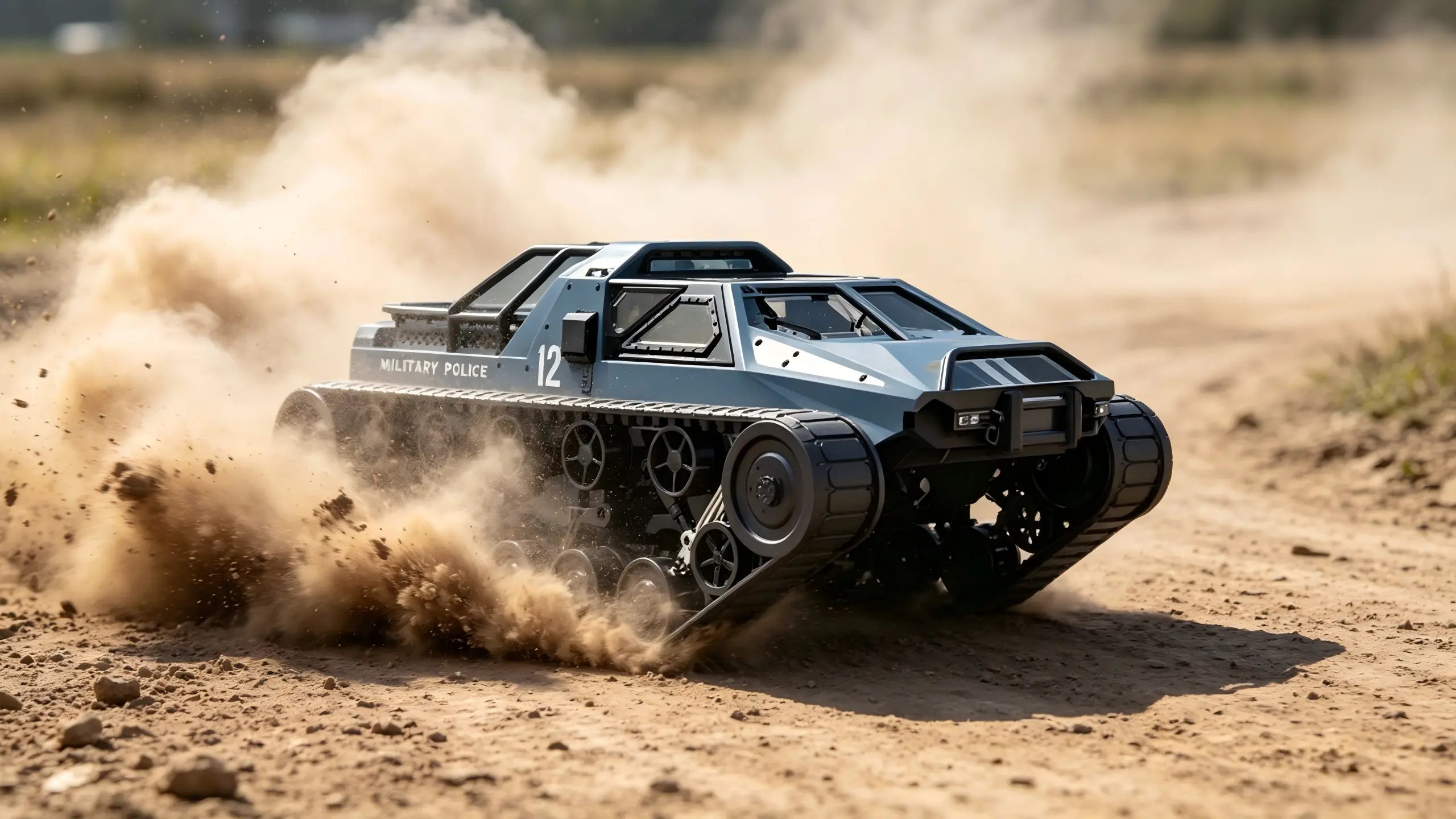
Exploring Different RC Styles: Once you’ve mastered crawling, you may wish to explore other RC disciplines. Playpulse’s lineup includes vehicles for varied terrains, such as the agile for speed and sliding, or the robust for high-speed off-road action.
Conclusion
Entering the world of RC rock crawling is a rewarding decision that builds mechanical empathy and driving skill. The journey starts with an informed choice: a Ready-to-Run, 4WD-capable model in a practical scale like 1:12, equipped with proportional controls and solid battery life. This foundation allows you to concentrate on the core skills of line selection, throttle control, and weight management.
A vehicle like the Playpulse RC MN128 is designed to provide this specific foundation. It incorporates the essential features needed to learn effectively while offering the durability and performance to remain engaging as your skills progress. Your adventure in precision driving begins with the right tool for the job.
Ready to tackle the trail? Equip yourself with a platform designed for learning and growth.
FAQ
Q1: As a complete beginner, is an RC rock crawler a good first vehicle, or is it too difficult?
A1: A quality RTR rock crawler is an excellent first vehicle. The slow-speed nature of crawling allows more time to think and react compared to high-speed racing. It teaches fundamental control skills that are applicable to all RC disciplines. Starting with a dedicated crawler like the Playpulse MN128, which is built for controlled traversal over speed, provides a forgiving and educational introduction to the hobby.
Q2: How does the 1:12 scale of the Playpulse MN128 compare to the more common 1:10 scale crawlers?
A2: The 1:10 scale is the competition and detailed-scale model standard, but it comes with a higher price point for both the vehicle and replacement parts. The 1:12 scale, as used in the MN128, offers a fantastic middle ground. It is significantly more capable and realistic than smaller 1:18 or 1:24 models, handling a wide range of outdoor terrain, while being more affordable and portable than 1:10 rigs. It’s an ideal “Goldilocks” size for beginners.
Q3: What essential accessories should I consider purchasing with my first crawler?
A3: After the RTR package, your first investment should be in battery care and spares. Consider purchasing a second compatible battery to double your run time. A quality hobby-grade charger (like a basic AC balance charger) can often charge batteries more safely and efficiently than simple USB adapters. Beyond that, drive and learn. Upgrade parts like tires or servos only once you’ve identified a specific performance need through experience. For general maintenance, a basic set of hex drivers and shock oil are useful. For a different type of fun that also emphasizes control, the is a great complementary vehicle for indoor and urban environments.
How to Choose and Master Your First RC Rock Crawler: A Step-by-Step Summary
This structured guide breaks down the beginner's journey into actionable steps, based on established RC community practices and product design principles.
1. Define Your Goal: Acknowledge that rock crawling is about precision and terrain conquest, not top speed. This mindset shapes your vehicle choice and practice focus.
2. Select Your Vehicle:
-
Choose a Scale: Opt for a 1:12 scale model for the best balance of capability, price, and portability.
-
Verify Drivetrain: Ensure the model has a true Four-Wheel Drive (4WD) system. Avoid 2WD models for technical crawling.
-
Confirm Controls: Select only models with proportionalsteering and throttle controls, not simple on/off switches.
-
Prioritize Run Time: Look for a battery system offering at least 25-30 minutes of continuous operation.
-
Choose RTR: Purchase a Ready-to-Run (RTR) package for immediate use without additional assembly or electronics purchases.
3. Perform Initial Setup:
-
Fully charge the included battery using the provided equipment.
-
Follow the manual to power on and pair (bind) the transmitter to the vehicle.
-
Perform a basic function check: confirm all wheels spin, steering works fully, and no parts are loose.
4. Master Basic Driving Techniques:
-
Practice Throttle Modulation: On flat ground, practice moving the vehicle as slowly as possible without stopping. This "crawl speed" is your primary gear.
-
Learn Line Selection: Before tackling an obstacle, walk beside it and visually plan the path for all four tires. Look for traction and avoid high-centering points.
-
Understand Weight Transfer: On a low, stable obstacle, practice creeping forward until the front wheels climb. Feel how throttle application shifts weight rearward to aid climbing.
-
Traverse a Side Hill: Find a gentle slope. Practice driving across it, using slight downward steering inputs to keep the vehicle stable and prevent rollovers.
5. Advance Your Skills:
-
Create simple obstacle courses with bricks or wood to practice consistent line execution.
-
Join online forums or local groups to observe techniques and get advice.
-
Focus on clean, consistent completes rather than speed. A successful slow climb is the objective.
By following these steps with a purpose-built vehicle, you will systematically develop the core competencies of RC rock crawling, ensuring a rewarding and long-lasting hobby experience.

Leave a comment
This site is protected by hCaptcha and the hCaptcha Privacy Policy and Terms of Service apply.